The post ME Consultant – January / February 2026 appeared first on Middle East Construction News.
Source: ME Construction News
The post ME Consultant – January / February 2026 appeared first on Middle East Construction News.
Source: ME Construction News
Developer QUBE Development has signed a memorandum of cooperation (MOC) with Dubai Economic Development Corporation (DEDC), the economic arm of Dubai Department of Economy and Tourism (DET) and Dubai Land Department (DLD). This collaboration aims to support the First-Time Home Buyer Program, facilitating first-time home-ownership for UAE residents purchasing property in Dubai.
As part of the agreement, QUBE Development will allocate a percentage of units in new project launches to eligible first-time buyers. These selected buyers will enjoy priority access and exclusive incentives, such as preferential pricing, in accordance with the agreed terms.

“Homeownership is a cornerstone of long-term economic stability and community building,” said Egor Molchanov, CEO of QUBE Development. “This cooperation reflects our belief that developers have a responsibility to support sustainable access to the market, particularly for residents making their first purchase. By reserving units in our upcoming projects and offering exclusive incentives, we aim to strengthen buyer confidence, promote market inclusivity, and contribute to the city’s long-term housing and economic goals.”
The agreement supports the continued evolution of Dubai’s residential market by prioritising end-user demand, long-term residency and sustainable value creation. It also reflects a broader shift towards a more balanced housing market aligned with Dubai’s long-term economic objectives, the statement concluded.
The post QUBE Development signs MOC with DEDC to support First-Time Home Buyer Program appeared first on Middle East Construction News.
Source: ME Construction News
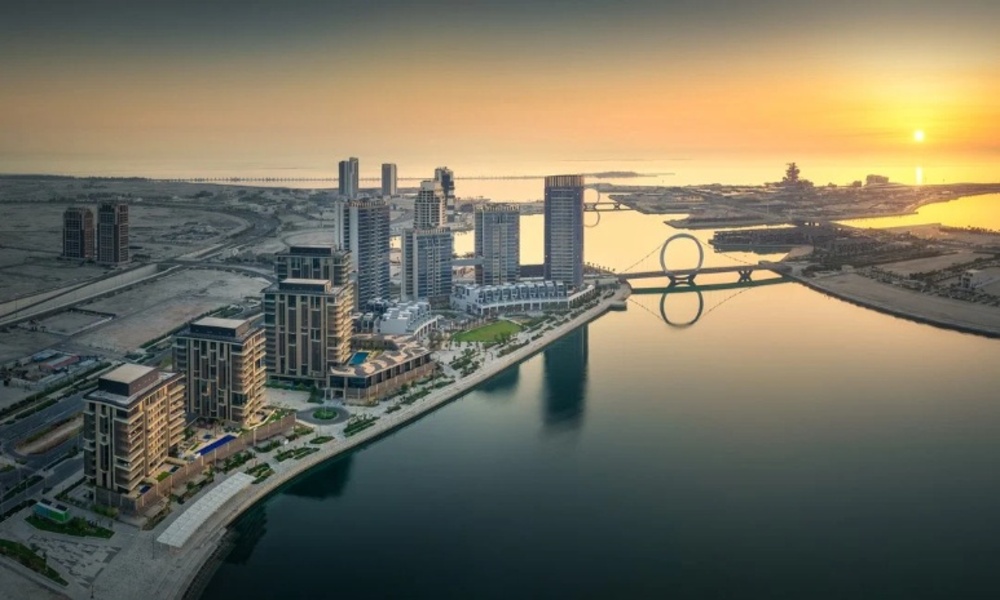
AtkinsRealis and Futurecity have extended their work together on major projects in the Middle East into a strategic partnership to embed culture and placemaking as a core driver of urban development.
This partnership will be formally launched at MIPIM Cannes 2026 and will prioritise major projects across the Middle East. The collaboration responds to a fast-growing regional shift as governments and now developers place cultural identity, livability and creativity at the heart of their long-term urban agendas. Together, both companies will support governments, master developers, and city leaders in the built environment by embedding cultural value, social impact, and place identity from the earliest stages of planning and design, said a statement.
A key pillar of the partnership is the Futurecity Lab, a platform dedicated to exploring ideas in cultural foresight, creative economic insight, and people-centered design. The first pilot projects have already begun, and the partnership will present the lab’s initial outputs and outline the next phase of the partnership.
Matthew Tribe, SVP, Buildings and Places, AtkinsRealis said, “Across the Middle East, cities are undergoing profound transformation, with culture emerging as a defining catalyst of change. This partnership embodies our shared conviction that cultural intelligence is essential to shaping the next generation of urban environments. By uniting AtkinsRealis’ design and engineering excellence with Futurecity’s cultural strategy, we give governments and developers the strategic foundation to create places with clear identity, enduring value, and purpose.”

Mark Davy, CEO and Founder of Futurecity added, “I have seen first-hand how arts and culture have become essential placemaking tools for the development and regeneration of cities across the world. This unique partnership with AtkinsRealis offers an unprecedented opportunity to ensure cultural thinking is integrated from the very beginning of the masterplanning process as a critical element of urban infrastructure.”
He added, “We will bring our experience of working on 400 placemaking and cultural projects, across a wide range of property typologies to provide expertise and insight in cultural masterplanning, place-narrative development, public-art strategies, cultural-brokering, cultural-trends research, and destination-strategies for emerging destinations.”
AtkinsRealis and Futurecity will jointly engage with global real estate and built environment platforms including Cityscape, MIPIM, MIPIM Middle East, the Future Investment Initiative (FII), and other global forums. The partnership positions both organisations as key voices in culturally led, human-centric urban development.
The post AtkinsRealis and Futurecity partner to shape future cities in ME appeared first on Middle East Construction News.
Source: ME Construction News

BNW Developments has unveiled the first Radisson Blu Hotel and Radisson Blu Residences in RAK Central, in partnership with Radisson Hotel Group. The launch was led by senior leadership from both organisations and joined by prominent real estate and hospitality stakeholders.
Located within RAK Central, Ras Al Khaimah’s emerging commercial and lifestyle destination, the development brings Radisson Blu’s internationally recognised service standards and design ethos to a mixed-use address positioned at the heart of the emirate’s next phase of growth. With Al Marjan Island anchoring Ras Al Khaimah’s leisure-led identity, RAK Central is set to define its work-and-play district, a future business hub that integrates offices, residences, hospitality, and lifestyle in one connected urban core. This strategic positioning underpins BNW Developments’ investment in RAK Central as the emirate’s next engine of economic and community growth, said a statement.
With a portfolio spanning more than 10 strategic projects in Ras Al Khaimah, BNW Developments has reinforced its scale in the northern emirate, underscoring its long-term commitment to shaping destination-led growth and delivering enduring value for residents, partners, and investors, it added.
Dr. Ankur Aggarwal, Chairman and Founder, BNW Developments said, “Radisson Blu Hotels and Residences mark a defining step in our Ras Al Khaimah vision, conceived to deliver durable investor returns alongside a globally benchmarked living experience. Positioned within RAK Central’s integrated Live-Work-Play ecosystem, it brings business, lifestyle, and hospitality into one cohesive address. Our partnership with Radisson Hotel Group introduces international brand depth and operational excellence, placing this development and BNW’s growing hospitality portfolio firmly within a global standard of distinction while strengthening long-term value and confidence.”

Dr. Vivek Anand Oberoi, Managing Director and Co-Founder, BNW Developments remarked, “RAK Central is a clear statement of where Ras Al Khaimah is headed, and BNW is proud to help drive that momentum alongside partners of global caliber. Radisson Blu Hotel and Residences is designed to elevate both investor confidence and everyday lifestyle, bringing an international brand experience to a destination where living, working, and leisure come together seamlessly.”
Radisson Blu Hotel, RAK Central will comprise of 361 keys within a newly built property positioned above curated retail and cinema offerings, creating a vibrant, day-to-night address with strong destination pull. Designed for both business and leisure travelers, the hotel will feature 5 food and beverage venues, a rooftop terrace and pool bar, meeting and event spaces, a spa and gym, a Business Class lounge, and a kids’ club.
Adjacent to the hotel, Radisson Blu Residences, RAK Central will include 222 branded residences. Residents will enjoy dedicated hotel-delivered services, ensuring a seamless, internationally consistent experience, while benefiting from operational efficiencies and food and beverage synergies across the wider development.
Elie Milky, Chief Development Officer, Middle East, NE Africa, Cyprus & Greece, Radisson Hotel Group added, “This partnership with BNW Developments reflects our shared belief in Ras Al Khaimah’s momentum as both an investment market and a visitor destination. Entering RAK Central for the first time is an exciting step for us. With Radisson Blu Hotel and Residences, we’re bringing a premium hotel and residential offering that’s rooted in strong operations, consistent service, and the quality people expect from the Radisson Blu brand.”
The post BNW and Radisson announce RAK Central’s first hotel and branded residences appeared first on Middle East Construction News.
Source: ME Construction News

Each month Middle East Consultant (MEC) sits down with an executive from the built environment to get to know them better from a professional and personal standpoint. Through the ‘Day in the Life’ focus, we learn more about their role, achievements, how they progress through their work days, how they handle stress, advice for the next generation and more. Here, MEC sits down with Asif Shafi, Managing Director, Civil Infrastructure and Program Management at AECOM.
I started my career as a civil/structural engineer working on the design of buildings and infrastructure projects. I worked on projects across a wide range of sectors including shopping malls, office buildings, residential towers, highways, bridges, tunnels, airports and rail/metro programs.
As I progressed in my career I took on roles of increasing responsibility in design management, project management, project controls and general management. Following the completion of an Executive MBA course, I led the strategy and growth function, which involves strategy development, client account management, capture management of major pursuits, contracts negotiations and the formation of strategic partnerships. In my current role I serve as the senior executive responsible for the performance of our civil infrastructure and program management businesses with over 2,000 employees in the region. I have been in this role for over 4 years.
I would say that the growth of our business in the past few years has been a source of great pride and gratitude, as it is the result of the trust shown by our clients and has led to career growth opportunities for our employees. Growth leads to a virtuous cycle as it enables us to attract the best talent which in turn leads to the successful delivery of projects for our clients enabling us to make a positive impact on the communities that we serve.

The dawn of a new day is an exciting time as it brings with it possibilities and opportunities for achieving one’s goals. It is a time for self-reflection, prayers and coming up with plans for the day. I am someone that believes in preparing ‘to-do’ lists that have short term, medium term and long term horizons. A big caveat is that events during the day can and often do cause a reprioritisation of these tasks. While I am not a very early riser (in relative terms), I wake up for morning prayers before dawn and then get some more rest before waking up again at around 7AM.
Like so many others I like to start the day by reviewing my emails, especially those sent by people from outside the region that may have arrived overnight. I also review my various social media groups (people in my circle – friends and family – do tend to use WhatsApp quite a lot). I then check the major news portals online to catch-up on the latest developments. I am a huge sports fan so I review scores (and highlights of key games!) from various sports such as cricket, football, tennis, American football and Golf. Depending on how my favourite teams and players have fared, I experience the emotional highs and lows that sports fans are accustomed to.
I am someone that still subscribes to a paper edition of the local newspaper and go through it while I am at breakfast. This is also the time that my children are leaving for school and university with my wife so I spend some time with them as well. Once in a while I make it a point to drop my children to school as it gives me time to talk to them on the way. My commute to the office takes between 25 to 35 minutes depending on traffic on a given day.
I am keen to do better so I can honestly look back some day and have no regrets. I also want to make sure that I fulfil the potential I have, so my family and friends can be proud of me. Most of all I want to be better because I truly believe that this is the way I can contribute to making the world a better place. I am fortunate to work in an industry that creates infrastructure that benefits large sections of society, and will serve future generations for many years to come. The satisfaction that comes from having delivered a world-class project is one of the key motivators.

This is a question that younger employees ask us quite a lot and my response typically is that work/life balance cannot be the same throughout one’s career. There will be times when one will have to take precedence over the other. We can try as much as possible to balance them but if there is a key deadline at work then we need to be ready to make some personal sacrifices.
Similarly, if there is an important personal commitment, we need to be able to prioritise that. The people around us at our work-place and at home are the key to allowing us to balance the two. I have found that people are very understanding provided we have lived up to our end of the bargain.
Whenever possible I try and avoid setting up meetings in the first hour, so that I can make some calls or meet with my key direct reports. This is important so we can agree on the priorities for the day or catch-up on any important developments.
There is typically no fixed lunch hour and I end up working through the day. I bring a packed lunch from home which I consume at my desk.

I like to walk the corridors and have informal chats with different people. A quick chat about something outside work can be quite effective in refreshing the mind. I also try to find the time to make a quick call to someone from my family and this can also be a great way to relax the mind.
While deadlines, competing priorities and the requirement to make difficult decisions can all lead to stress, it is important to put things in perspective. Remind yourself that nothing matters more than your health, both mental and physical. We have all seen how the biggest work issues can pale into insignificance when there is a health crisis. It is important not to worry about things that are outside your control. What helps a lot is to have a relationship of trust and collaboration with people around you, so that you do not have to deal with difficult situations alone. I have been blessed with a support group at work and home that keeps stress at a manageable level.
I believe that big decisions should not be made in a rushed manner or under pressure. I try as much as possible to take the time to consider the options fully. I go through an analysis of the pros and cons of the decision. I also consult with people I trust to make sure that I have not missed any angles. Of course there are times when we do not have the luxury of time and need to trust our instincts.

I would advise my young colleagues at AECOM and in the wider industry to use every opportunity to learn and improve their skills. Try new things and do not be afraid of change. In fact you should embrace change, particularly the ongoing AI revolution. Be the best at what you do but always be a team player that is ready to help others. Remember that life is a team sport. Above all try to do something that gives you satisfaction and remember to have a good time along the way.
The post Day in the Life: Asif Shafi appeared first on Middle East Construction News.
Source: ME Construction News

Emaar has inaugurated 3 new mosques across its master-planned communities during the Holy Month of Ramadan, reinforcing its continued commitment to fostering faith, connection and inclusive neighbourhood living. With these latest openings, the total number of mosques delivered across Emaar developments has now reached 20.
The newly completed mosques include Al-Majid Mosque in Dubai Creek Harbour, Al Ghani Mosque in Emaar South and Masjid Al Hadi in Arabian Ranches III. Thoughtfully integrated within their respective communities, each mosque has been designed to ensure convenient access for residents and to support daily and congregational worship, said a statement from the developer.
Al-Majid Mosque in Dubai Creek Harbour accommodates approximately 780 worshippers, while Al Ghani Mosque in Emaar South serves around 364 worshippers and Masjid Al Hadi in Arabian Ranches III accommodates nearly 200 worshippers. Together, the three mosques serve more than 1,300 worshippers, strengthening the spiritual and social fabric of Emaar’s communities.

The delivery of these mosques reflects Emaar’s holistic approach to master planning, where places of worship form an essential component of community infrastructure alongside schools, parks, retail and civic amenities. Their opening during Ramadan adds meaningful relevance, providing residents with dedicated spaces for Taraweeh prayers and communal gatherings during the Holy Month, while reinforcing the role of mosques as important centres of connection and shared community life.
As Emaar continues to expand its portfolio of developments across Dubai, the provision of essential social infrastructure remains aligned with the company’s long-term vision of building sustainable, people-centric communities. The continued investment in mosques underscores Emaar’s commitment to creating environments that support not only residential and commercial growth, but also cultural identity, spiritual wellbeing and lasting community cohesion.
The post Emaar opens three new mosques in its communities appeared first on Middle East Construction News.
Source: ME Construction News
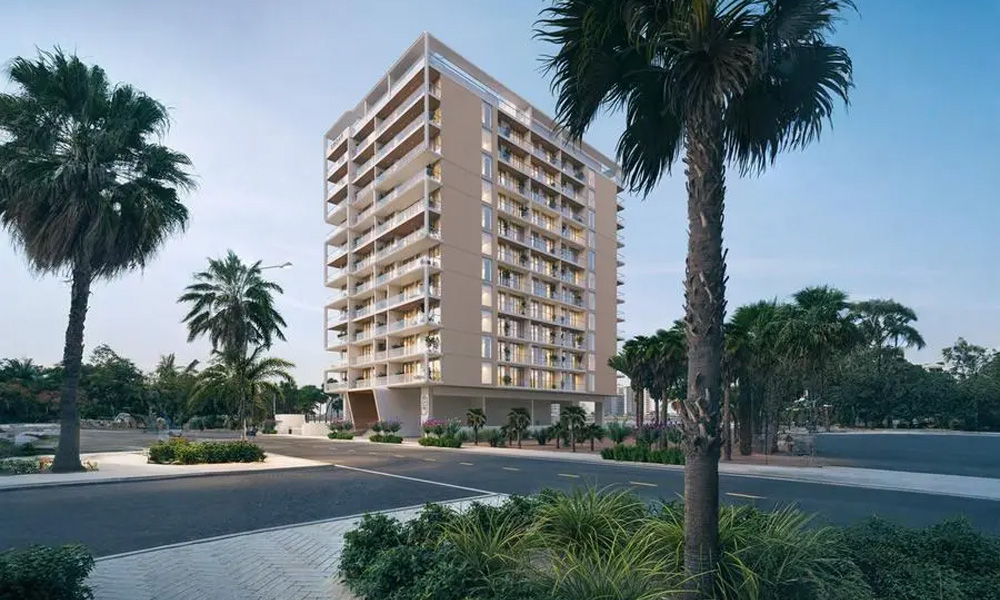
AD Ports Group and Nimex Terminals have broken ground on the UAE’s first private-sector Liquified Petroleum Gas (LPG) terminal hub at Khalifa Port, which is said to reinforce the nation’s position as a global energy logistics and trading hub.
Announced in November 2025 in parallel with the LNG terminal hub development, the LPG terminal hub is being developed to accommodate large, long-haul gas carriers and will deliver large‑scale refrigerated storage and marine handling infrastructure for propane, butane, and LPG mix products.
The development will further strengthen the UAE’s role in facilitating global LPG flows between major production centres and high‑growth demand markets across Asia, Africa and Europe. The facility will expand Khalifa Port’s energy infrastructure capabilities to meet the evolving demands of international energy trade.
Saif Al Mazrouei, CEO, Ports Cluster – AD Ports Group said, “The Nimex LPG terminal exemplifies the type of high‑quality strategic infrastructure investment that strengthens the port’s energy ecosystem and reinforces its position as a leading regional and international gateway. This development reflects a shared commitment to disciplined execution, operational excellence, safety and long‑term value creation.”
Phase 1 of the development will comprise two full‑containment refrigerated storage tanks of 50,000 and 67,000 cu/m for propane and butane respectively, together with four mounded LPG bullet tanks with an aggregate capacity of 21,000 cu/m for mixed LPG products. A similar expansion is planned under Phase 2, bringing total terminal capacity to approximately 280,000 cu/m.

The project also includes the construction of dedicated LPG jetties with a 16m depth, enabling efficient berthing and handling of large‑scale LPG carriers and supporting seamless maritime trade flows. Phase 1 is expected to be commissioned within 36 months from the commencement of construction.
Azmat Mahmood, Chairman of Nimex Terminals noted, “Today’s groundbreaking represents a defining milestone for Nimex Terminals. Our vision is to build a resilient, world‑class LPG logistics platform that connects global supply with regional demand through Abu Dhabi. We are proud to work alongside AD Ports Group in delivering strategic infrastructure that supports trade growth, enhances energy connectivity, and underpins the UAE’s role as a trusted global energy hub.”
The terminal will be developed and operated in accordance with the highest international standards for safety, environmental stewardship, and operational excellence. Safety has been embedded into the project from inception, with full-containment tanks and mounded LPG bullet storage selected to enhance protection, mitigate risk, and ensure long-term operational reliability.
The Nimex LPG terminal will strengthen regional energy security and storage resilience, providing traders and industrial users with enhanced flexibility and optionality, while supporting the continued growth of Khalifa Port as a multi‑commodity gateway. The project reflects growing private‑sector investment in advanced energy infrastructure aligned with the UAE’s long‑term trade and logistics ambitions.
The post AD Ports Group and Nimex Terminals break ground on LPG terminal hub at Khalifa port appeared first on Middle East Construction News.
Source: ME Construction News
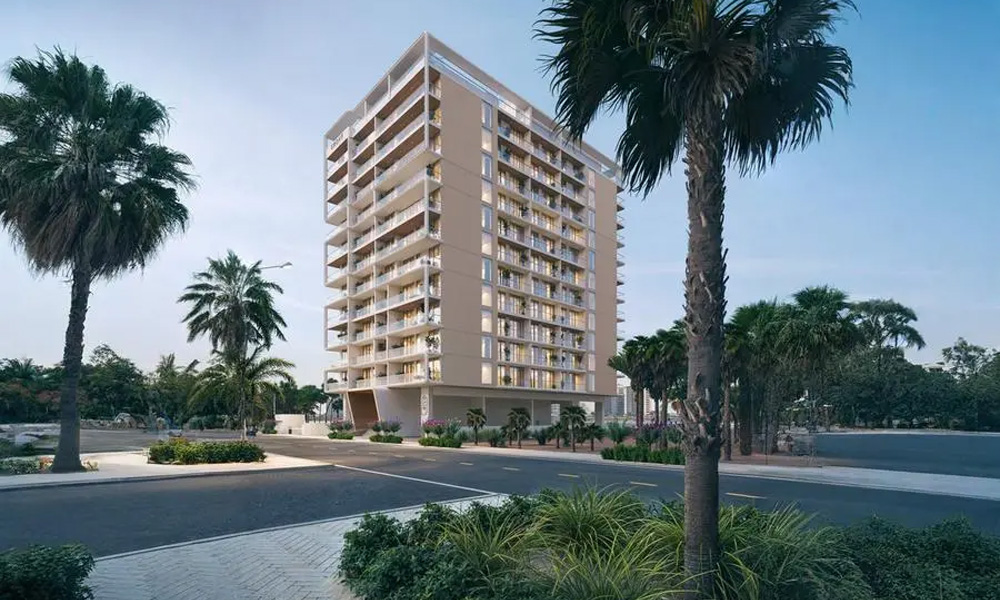
The Uptime Institute has announced that Khazna Data Centers has achieved the Uptime Institute Tier III Certification of Design Documents (TCDD) award for its newest 100MW AI-optimised data centre, QAJ01 – billed as the first certified AI data centre with liquid cooling in the Middle East and North Africa region.
The development features 20 data halls, each delivering 5MW of IT capacity, purpose-built to meet the demands of next-generation artificial intelligence (AI) workloads. The certification underscores Khazna’s commitment to designing world-class, resilient, and efficient data centre infrastructure in alignment with the industry’s most rigorous global standards.
Located in Ajman, UAE, the new facility has been designed with advanced liquid-cooling systems to support the high rack densities and thermal loads required by large-scale AI training and inference applications, while optimising energy efficiency and maintaining operational resilience.

“Achieving Tier III certification for our Ajman facility reflects Khazna’s deep commitment to engineering excellence and operational resilience as we scale to meet the AI era. QAJ1 sets a new regional benchmark, combining high-density readiness, advanced liquid cooling, and globally certified design to support the next generation of compute. It is a strategic milestone in our mission to deliver future-ready infrastructure,” said Abdulmajeed Harmoodi, CTO, Khazna Data Centers.
“This Tier Certification marks an important advancement for the regional digital infrastructure ecosystem,” said Mustapha Louni, CBO, Uptime Institute. “Khazna’s AI-optimised facility integrates liquid cooling and high-density configurations, while maintaining Tier III level resilience. It demonstrates how data centres can evolve to meet the accelerating compute needs of AI without compromising reliability or efficiency.”
The Uptime Institute’s Tier Certification of Design Documents (TCDD) is the first step in the Institute’s globally recognised Tier Certification process, validating that a facility’s design plans meet the requirements of its Tier Standard for Topology. The award provides assurance that once constructed, the facility can achieve the desired performance and resilience outcomes. The Khazna UAE portfolio currently consists of 30 data centres, 22 of which have achieved the Tier III Certification of Constructed Facility Awards.
The post Khazna wins TCDD award for Ajman facility appeared first on Middle East Construction News.
Source: ME Construction News
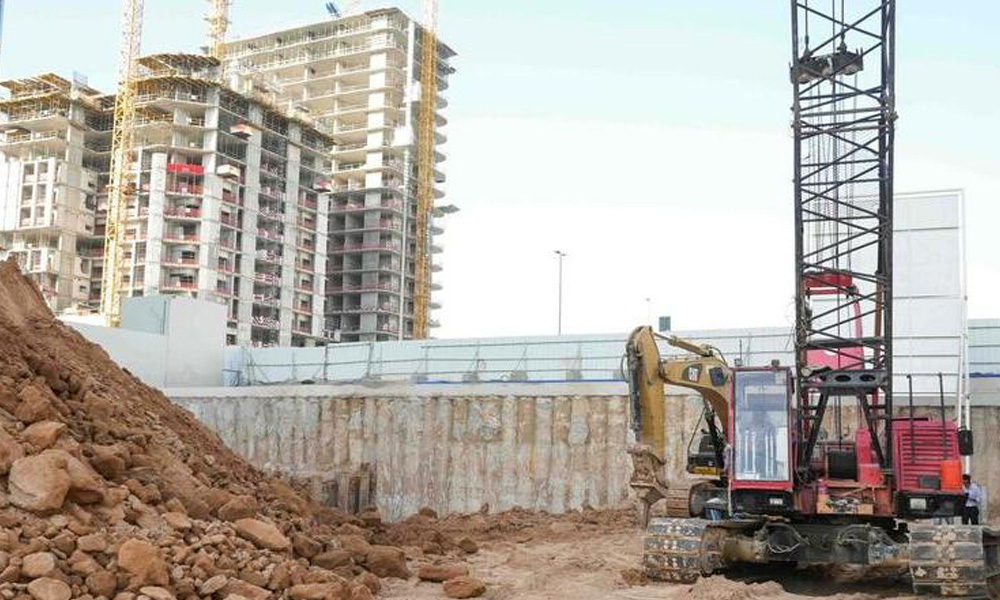
Khazna Data Centers has achieved Grade 1 (G1) Certification from the International Data Center Authority (IDCA). This certification was awarded based on an independent evaluation of Khazna’s portfolio and service delivery capabilities against IDCA’s standards and benchmark requirements.
According to Khazna, it is the first data centre operator in the Middle East and Africa to achieve this certification and noted that it will continue to align its future developments and operational practices with its IDCA benchmarking program. This commitment reinforces its dedication to performance, resilience, and long-term operations.
The G1 certification is the culmination of a multi-month assessment process conducted by IDCA auditors and examiners. This evaluation involved reviews of Khazna’s service delivery capabilities, operational protocols, and supporting corporate systems across its extensive portfolio, the firm said.
“G1 certification is an external validation of the standards we hold ourselves to across service delivery and operations,” said Hassan Alnaqbi, CEO, Khazna Data Centers. “As the region rapidly scales digital infrastructure for cloud and AI, alignment with recognised global benchmarks is more important than ever. This certification reinforces our focus on consistent execution, safety, and reliability at scale, and it supports our commitment to build infrastructure and operational capability that customers can trust.”

Paryavi added, “Independent certification helps clients and partners distinguish between stated intent and verified capability. Khazna’s achievement reflects disciplined service delivery and operational maturity, and it signals that the region is moving in lockstep with global expectations for reliability, scalability, security, and operational effectiveness.”
This certification follows Khazna’s announcement in July 2025 of a global benchmarking agreement with IDCA. This agreement encompassed thorough reviews of various aspects, including service delivery capabilities, operational protocols, and supporting corporate systems.
The formal presentation of the G1 certification to Khazna Data Centers was made by Mehdi Paryavi, the Chairman and CEO of IDCA.
The post Khazna Data Centers becomes first Middle East operator to achieve IDCA Grade 1 Certification appeared first on Middle East Construction News.
Source: ME Construction News
AUS and Terminus Group have partnered to bring two advanced robots to the university’s Department of Computer Science and Engineering. The collaboration will allow the department to expand learning and experimentation in physical artificial intelligence (AI), a fast-emerging area that combines generative AI with robotics to allow machines to interact intelligently with real-world environments.
The robots will be integrated into teaching and department-led projects, giving students a hands-on platform to explore how intelligent systems perceive, interact and deliver services in physical spaces. Furthermore, the robots will also participate in student registration, reception, and guidance, leveraging generative AI to provide students with an interactive robot-enabled experience.
Dr. Fadi Aloul, Dean of the AUS College of Engineering (CEN), emphasised how partnerships with industry expand what students can build, test and learn through access to advanced technologies.
“At CEN, we focus on engineering education that is rigorous, applied and relevant to the technologies shaping industry and society. Access to advanced technologies is not incremental; it changes what students can build, test and learn. We are grateful to Terminus Group for enabling this step. It strengthens project-based learning today and supports our broader efforts to advance innovation in areas such as AI, automation and physical AI across the student experience,” he said.

“Physical AI is where our field is heading because intelligence is no longer confined to screens. These robots give our students a serious platform to connect generative AI with real-world environments,” said Dr. Imran Zualkernan, Head of the Department of Computer Science and Engineering at AUS. He continued, “We will use them in teaching and department projects from the start, beginning with applying generative AI to real campus services, then expanding into more ambitious student-driven prototypes.”
Dr. Ling Shao, Chief AI Officer and Global President of Terminus Group commented, “This collaboration represents a strategic convergence of embodied AI perception, adaptive robotic control and generative cognitive architectures within a real-world campus environment. By deploying these platforms, we are creating a living laboratory for multi-modal learning, human-robot collaboration and autonomous service orchestration, key pillars of next-generation cyber-physical systems. We envision this initiative as a blueprint for scalable AI integration, where large language models transcend textual boundaries to govern physical actuators, optimise spatial interactions and ultimately enable self-evolving campus ecosystems.”
This collaboration reflects CEN’s ongoing efforts to deliver professional and technical preparation, global preparedness and leadership development supported by state-of-the-art technology, experimentation with design and problem-solving processes, and strong opportunities for real-world and research project involvement. It also aligns with CEN 2.0 Innovation efforts, which embed data analytics, artificial intelligence, entrepreneurship and advanced technology throughout the undergraduate and graduate experience, expand practical learning through new laboratories equipped with advanced tools and strengthen workplace readiness through an enhanced internship requirement, the statement concluded.
The post AUS and Terminus Group bring physical AI to campus through robots appeared first on Middle East Construction News.
Source: ME Construction News