Dr.-Majid-Jack-Hsiung-General-Manager-Source-of-Fate_1000x600-1.jpg

July 15, 2026 foasummit0

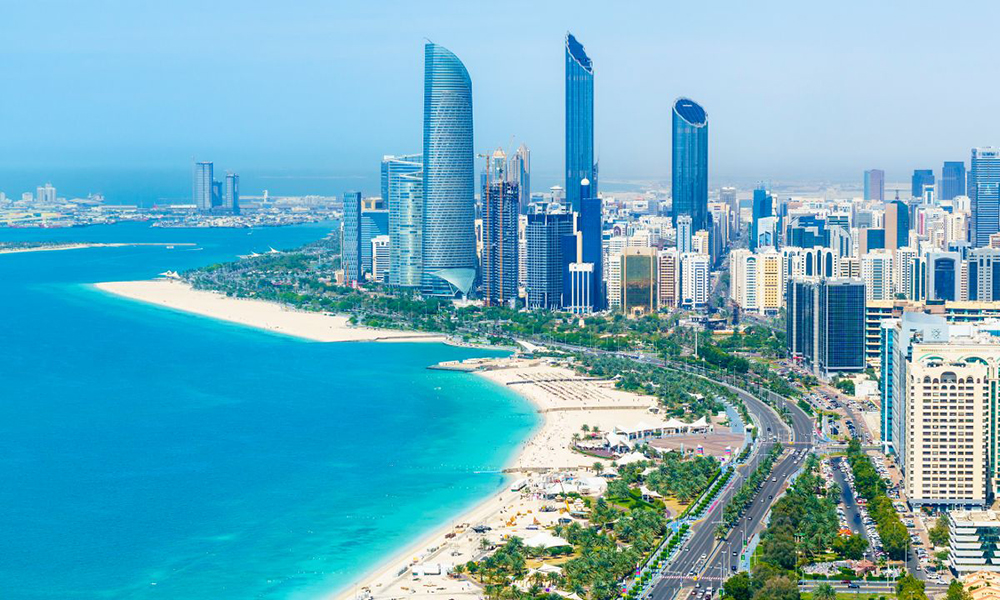
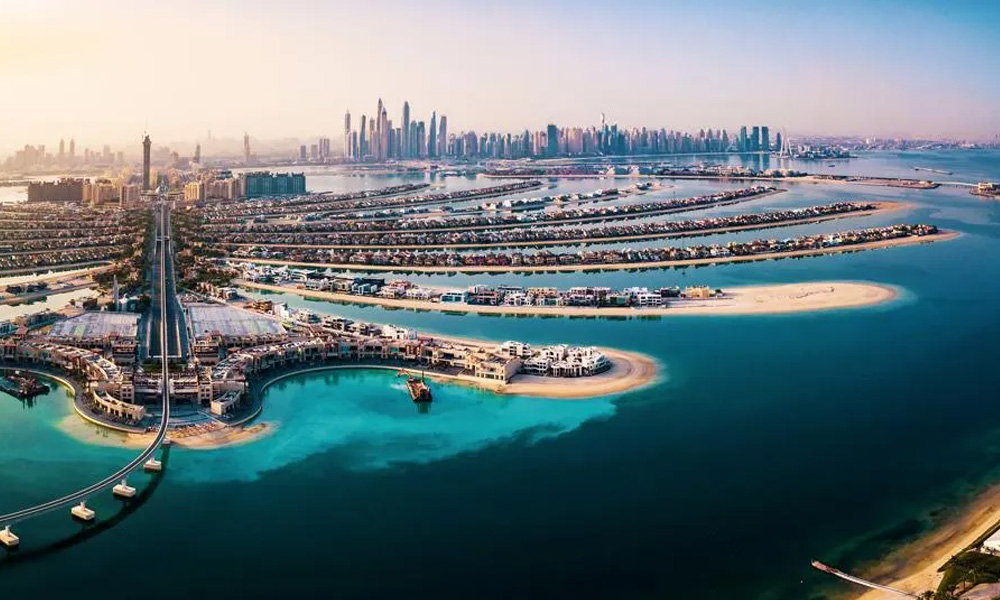
In an era where global capital is becoming increasingly cautious, investors are prioritising markets that offer predictability as much as profitability. Against this backdrop, the United Arab Emirates has emerged not simply as a fast-growing real estate market, but as one of the world’s most dependable destinations for long-term property investment.

The UAE property market has repeatedly demonstrated its capacity to withstand disruption, stabilise quickly, and regain momentum. Whether navigating regional uncertainty or responding to environmental challenges, the country’s real estate sector continues to show that its strength lies in deeply embedded structural fundamentals.

A beacon of stability in a volatile region

Periods of geopolitical tension in the broader region have consistently redirected global capital toward jurisdictions known for stability and sound governance. And the UAE has emerged as a clear beneficiary of this trend.

The country’s political stability, regulatory transparency, and a diversified economic base provide investors with a level of predictability that is rarely seen in global markets. For real estate investors, predictability is often as valuable as financial return. Long-term property investments rely on confidence in legal frameworks, clarity in regulations, and consistency in governance. In these areas, the UAE continues to stand apart from many competing markets.

Resilience in the face of environmental disruption

The historic flooding that affected Dubai in April 2024 posed a temporary operational challenge for the city. However, what stood out was the speed and efficiency of the response. Infrastructure recovery was swift, authorities communicated proactively, and mitigation measures were implemented rapidly.

Most importantly, the property market remained stable, with transaction activity continuing and investor confidence largely intact. The episode ultimately reinforced an important point: resilience is defined not by the absence of disruption, but by the ability to respond and recover quickly.

Built on structural, long-term foundations

The UAE’s real estate resilience is the product of deliberate, long-term planning rather than market momentum alone. Over the past decade, regulatory reforms have significantly strengthened transparency and investor protection. Escrow regulations and a mature mortgage market have all contributed to a more institutionalised property sector.

At the same time, long-term residency initiatives such as the Golden Visa have reshaped the profile of property buyers. Notably, demand is driven by end-users and long-term residents rather than short-term speculative investors. This shift has created a more stable demand base and strengthened market fundamentals.

Dubai’s transformation into a global hub for finance, technology, logistics, and advanced industries further reinforces these dynamics. Economic diversification continues to generate organic housing demand from professionals, entrepreneurs, and international families relocating to the emirate in search of better opportunities.
Global capital follows certainty

In times of uncertainty, capital typically gravitates toward 3-core attributes: security, liquidity, and long-term return potential. The UAE offers a rare combination of all 3 elements.

The country’s political neutrality and reputation for safety position it as a stable anchor within a complex geopolitical landscape. Moreover, its tax-efficient environment continues to attract entrepreneurs, multinational executives, and family offices from across the world.

Yet another important aspect is the liquidity of the property market. A diverse international buyer base, spanning Europe, Asia, Africa, and the Commonwealth of Independent States (CIS) region, ensures a steady flow of capital and active transaction volumes.

In contrast, many mature property markets struggle due to slow planning processes, affordability pressures, or regulatory uncertainty. The UAE, by comparison, combines flexibility with regulatory oversight, allowing it to adapt quickly while maintaining investor confidence.

Financial fundamentals are only part of the story. The UAE’s lifestyle offering has become an important driver of real estate demand. World-class healthcare, high-quality education, advanced infrastructure, and strong security standards have made the country an attractive destination for long-term relocation. Unlike traditional safe-haven markets that primarily offer capital preservation, the UAE combines asset security with lifestyle enhancement.

This dual appeal transforms property demand into a broader demographic narrative, one that is shaped by migration, business expansion, and the global relocation of wealth.

A market that continually reinvents itself

One of the defining strengths of the UAE real estate sector is its ability to evolve. Regulatory frameworks continue to improve, digital platforms have simplified property transactions, and sustainability is becoming increasingly integrated into development strategies. Furthermore, infrastructure planning is also becoming smarter and more forward-looking.

Each period of regional or global stress ultimately points to the same conclusion that when fundamentals are strong, demand returns. Investors recognise that while short-term fluctuations are inevitable, the core drivers of the UAE market, i.e., economic diversification, population growth, regulatory clarity, and infrastructure investment remain firmly in place.

A dependable anchor in an uncertain world

Global volatility is unlikely to fade anytime soon. However, markets built on strong governance, economic diversity, and strategic long-term planning are best positioned to attract capital.

The UAE’s real estate sector reflects the country’s broader national vision to remain stable, adaptive, and forward-looking. Its resilience is not a temporary response but a structural advantage. For international investors seeking both stability and growth potential, the UAE is no longer viewed as a cyclical opportunity. Instead, it is being seen as a dependable anchor in an unpredictable world.


Source: ME Construction News


Acciona-Ana-Jimenez-Banzo_1000x600-1.jpg

July 15, 2026 foasummit0

For years, talking about innovation in the water sector meant talking about the future. Today, however, innovation is no longer an aspiration — it has become an operational necessity. Urban growth, water stress, new regulatory requirements, rising energy costs, and increasing pressure on infrastructure are forcing the sector to evolve at an unprecedented pace. Yet amid this technological acceleration, it is worth asking an uncomfortable question: are we innovating to solve real problems, or simply to incorporate more technology? The answer will define the next decade.

The water sector has historically been cautious – and for a good reason. We manage critical infrastructure where reliability, public health, and service continuity are non-negotiable. But the current landscape demands that this caution be combined with a far greater capacity for adaptation. It is no longer enough to operate well; we must operate better – with lower energy consumption, fewer emissions, greater resilience, and stronger predictive capabilities.

In this context, innovation cannot be viewed as an isolated department or a technological showcase. It must act as a bridge between the real needs of operations and the opportunities offered by technologies such as artificial intelligence (AI), advanced digitalisation, automation, and next-generation treatment solutions.

Because the real challenge is not developing technology. The real challenge is ensuring that innovation provides real value in full-scale facilities.

This is where operations and maintenance become strategically important. For many years, innovation in water was driven mainly by design and engineering. Today, it is increasingly clear that the solutions truly transforming the sector are those capable of integrating seamlessly into day-to-day operations: technologies that help reduce energy consumption, anticipate failures, optimise cleaning processes, improve water quality, or increase operational flexibility in response to changes in demand or water conditions.

Desalination is a good example of this evolution. For decades, the primary objective was to reduce the energy consumption of reverse osmosis. That challenge remains, but it is now accompanied by others of equal importance: minimising membrane fouling, optimising chemical consumption, valorising brine streams, and incorporating AI-based predictive models capable of adjusting operational parameters in real time. Innovation is no longer measured solely by theoretical efficiency, but by the ability to deliver stable and resilient operations.

The same applies to wastewater treatment and reuse. Emerging contaminants and new regulatory requirements are driving the adoption of more advanced treatment technologies and increasingly complex processes. But the challenge does not end with removing a specific compound. The real question is how to do so while maintaining the economic and energy viability of treatment facilities.

For this reason, the future of water will inevitably depend on a more applied form of innovation — one that is deeply connected to operational reality.

In regions such as the Middle East, where water scarcity has accelerated the adoption of advanced solutions, this approach is particularly evident. The digitalisation of critical infrastructure, predictive maintenance systems, digital twins, and distributed sensing are no longer experimental concepts; they are operational tools that improve plant resilience and optimize resources in highly demanding environments.

At the same time, there is a growing risk: assuming that technology alone will solve the water sector’s challenges. It will not.

Technology is an extraordinary tool, but it only creates value when it is properly integrated into operations, when it responds to concrete needs, and when people are able to use it to make better decisions. Artificial intelligence, for example, is of limited value without a deep understanding of the physical and chemical processes governing a plant. The digital transformation of water will not be purely technological; it will also be cultural and operational.

That is why the most significant shift in the coming years will likely not be technical alone, but strategic. We are moving from models where innovation and operations worked in parallel to models where both disciplines evolve in full integration.

Useful innovation will be the kind that reduces the distance between the laboratory and the plant, between data and decision-making, between technological development and real-world impact. And in a world facing increasing water stress, that capability will define not only which companies are more competitive, but also which water systems become more sustainable and resilient for society as a whole.


Source: ME Construction News


Chiller_1000x600-1.jpg

July 15, 2026 foasummit0

Abu Dhabi’s Department of Energy (DoE) has launched the Abu Dhabi Cooling Load Manual (CLM), in support of the Abu Dhabi Energy and Water Efficiency Strategy 2030.

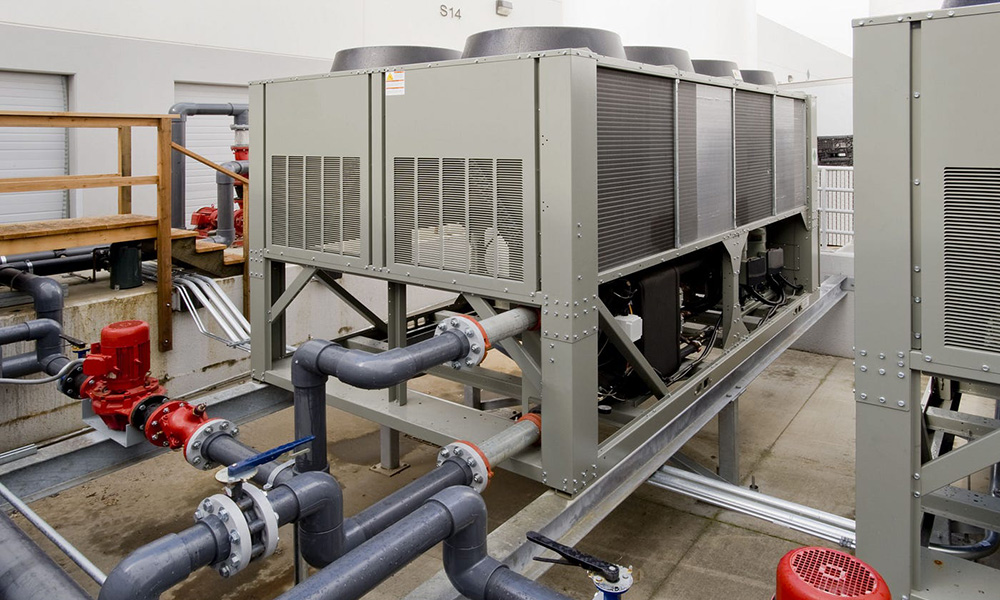
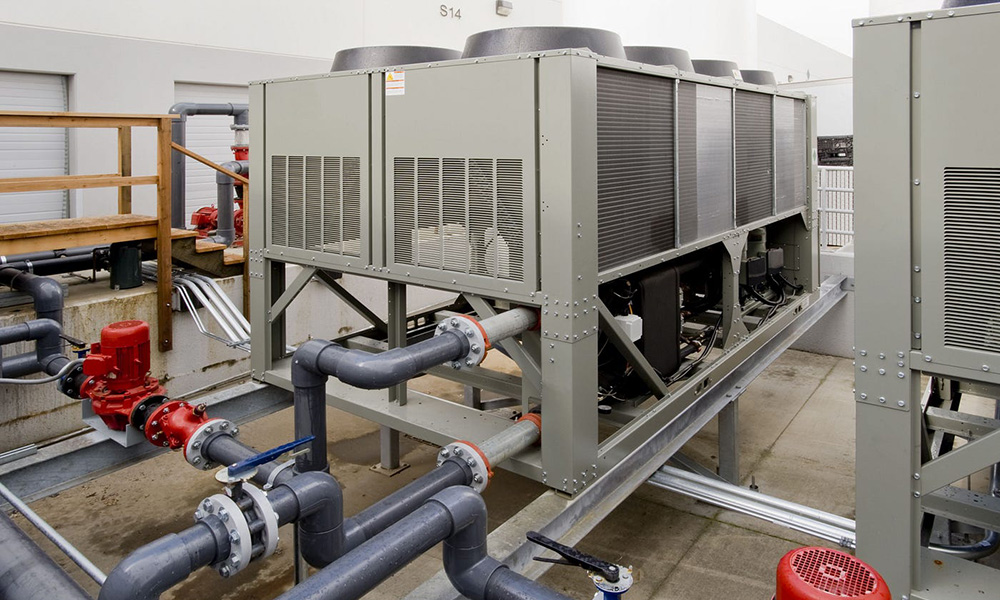
Air conditioning (AC) systems account for 60–70% of electricity consumption in buildings across the UAE. These systems are often oversized by 25%–35%. Proper sizing of these systems can lead to significant savings, with potential reductions of up to 35% in installed AC costs. This translates to an annual savings of US $153mn across all new buildings in Abu Dhabi, said a statement.

Eng. Ahmed Mohammed Al Rumaithi, Undersecretary, Abu Dhabi Department of Energy said, “The department’s efforts are part of an integrated vision aimed at enhancing resource efficiency and advancing the foundations of sustainable development in Abu Dhabi through the development of regulatory and technical frameworks that support the creation of a more efficient, resilient and sustainable energy system.”

He added, “This manual contributes to the department’s efforts to enable relevant stakeholders to adopt more efficient solutions in the construction and urban development sectors, enabling improved energy demand management, the optimal use of resources, and the advancement of sustainable development across the emirate”.

Abdulaziz Mohammed Alobaidli, Director General of Regulatory Affairs, Department of Energy commented, “The accurate cooling load calculations and the selection of appropriate systems contribute to reducing costs, improving resource efficiency, and delivering long-term value for both developers and consumers, while supporting the emirate’s objectives of building a more efficient and sustainable energy system.”

“This reflects the Department of Energy’s continued commitment to developing the regulatory and technical frameworks around energy efficiency and responsible resource management. It also reinforces Abu Dhabi’s position as a leading hub for sustainable solutions and innovation that enable a more efficient and resilient future,” he added.

The CLM addresses the issue of oversized AC systems by providing clear, data-driven guidance and best practices. These guidelines assist in accurately calculating cooling loads and selecting appropriately sized equipment. By enhancing design precision, the manual contributes to reduced equipment and infrastructure costs, lower electricity consumption, decreased operational expenses, improved occupant comfort, and extended equipment lifespan.

The DoE said the CLM aligns with Abu Dhabi codes and international standards such as ASHRAE and CIBSE. It provides practical recommendations to avoid common overdesign factors, including unrealistic assumptions, excessive margins, and inadequate consideration of load diversity. The manual also explains how adequate orientation and shading design strategies (passive design), proper zoning, and accurate assessment of heat gains can significantly reduce cooling demand when integrated early in the process.

To facilitate adoption, the DoE developed a Cooling Load Verification Tool (CLVT), allowing developers, designers, and government entities to benchmark their cooling calculations against the CLM, identify possible over design, and estimate potential savings.


Source: ME Construction News


masdar-1.jpg

July 15, 2026 foasummit0

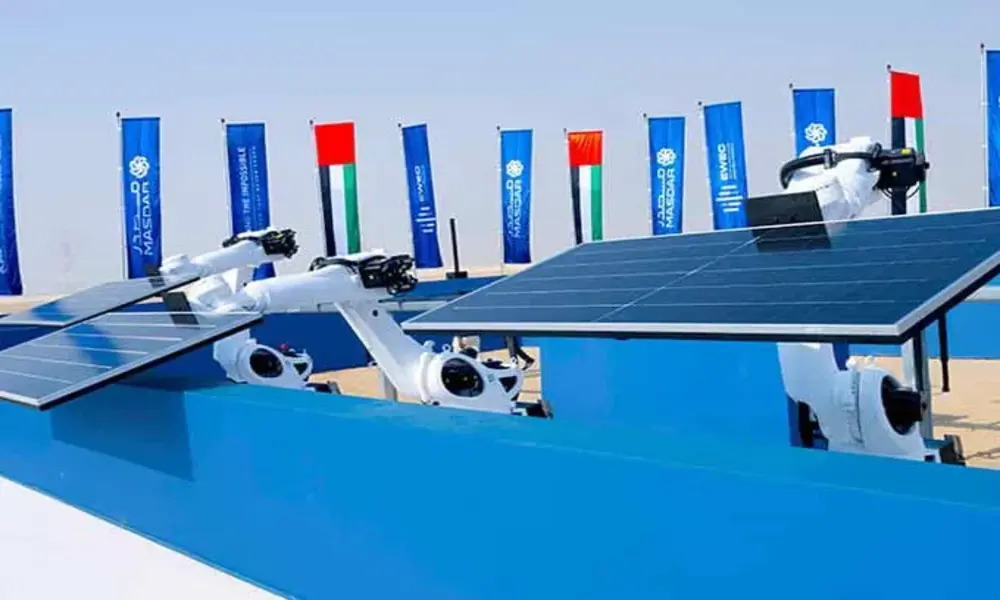
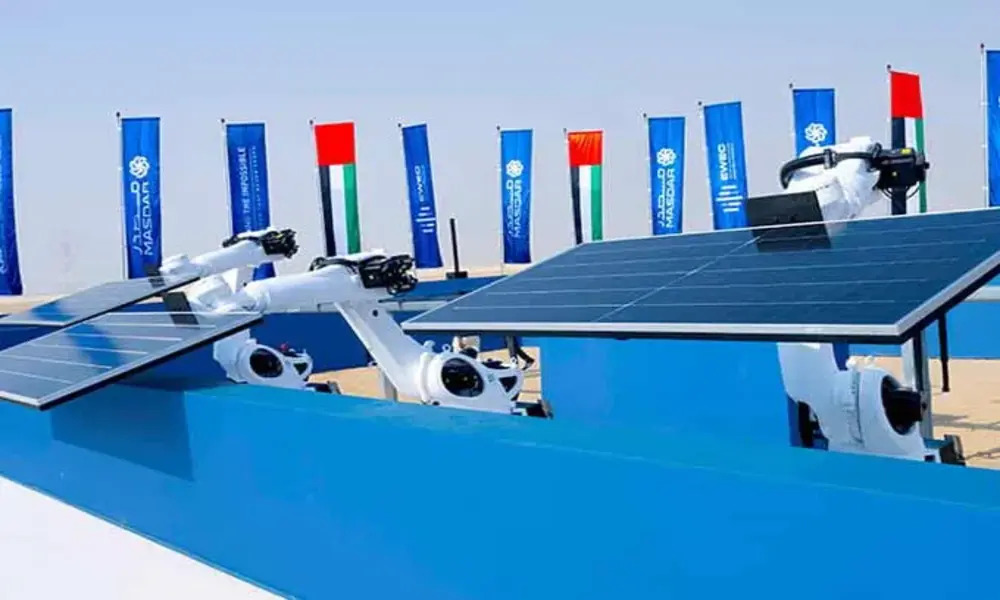
Abu Dhabi Future Energy Company (Masdar) has announced the financial close for the world’s first gigascale 24/7 renewable energy project, which is said to mark a defining milestone in the commercialisation of the next generation of clean energy infrastructure.

Backed by a consortium of 13 international and local banks, the US $5.1bn financing package demonstrates strong market confidence in both the project’s commercial viability and Masdar’s ability to deliver complex energy infrastructure at scale, said a report.

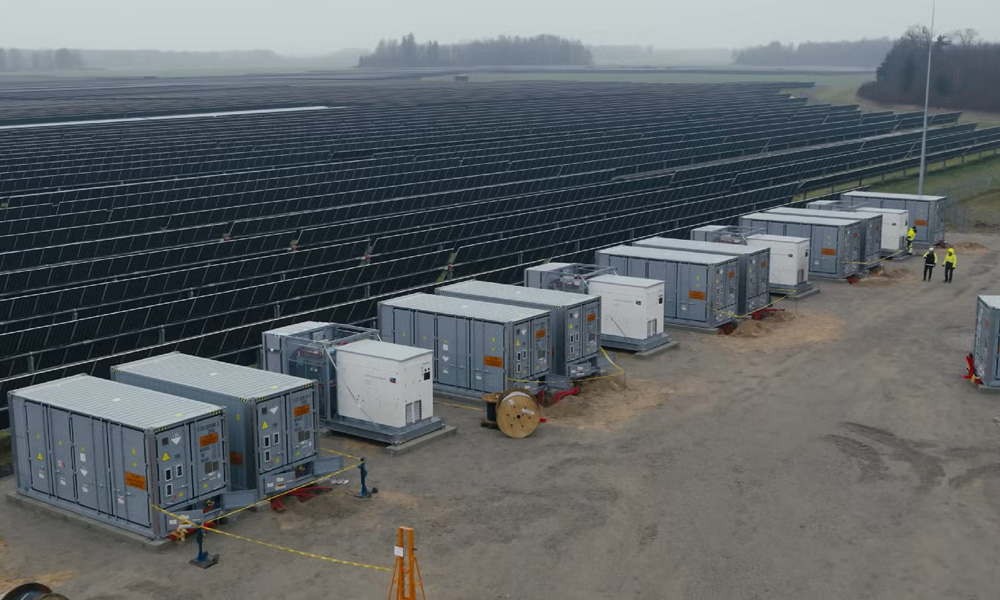
Representing a total capital investment of US $6.1bn, with Masdar funding US $1bn of equity, the round-the-clock (RTC) project is being developed in Abu Dhabi by Masdar and Emirates Water and Electricity Company (EWEC). It will integrate a 5.2GW solar photovoltaic (PV) plant with a 19GWh battery energy storage system (BESS). The financing was provided by a consortium including the following lenders: Abu Dhabi Commercial Bank, Abu Dhabi Islamic Bank, BNP Paribas, Bank of China, Credit Agricole Corporate and Investment Bank, Dubai Islamic Bank, First Abu Dhabi Bank, Hongkong and Shanghai Banking Corporation (HSBC), KfW IPEX-Bank, Natixis, Sumitomo Mitsui Banking Corporation, Standard Chartered Bank, and Societe Generale.

The financial close demonstrates that large-scale renewable energy projects capable of delivering RTC power have evolved from technical ambition to commercially bankable infrastructure, the company said.

As electricity demand accelerates, driven by AI, data centres, and advanced manufacturing, the project establishes a new benchmark for financing reliable, utility-scale clean energy projects and addresses the key challenge of intermittency. For Masdar, the milestone demonstrates its continued ability to attract and mobilise institutional capital and deliver increasingly complex renewable infrastructure projects in partnership with governments, utilities, and financial institutions, it said.

“We are pleased to have secured funding from such a broad and highly respected group of local and international banks in support of this pioneering project,” said Mazin Khan, Chief Financial Officer at Masdar.

“This significant financing commitment demonstrates the confidence of the international banking community not only in a landmark project but also in Masdar’s financial strength, disciplined execution and long-term growth strategy. This milestone further demonstrates our ability to mobilise global capital at scale while delivering innovative renewable infrastructure that supports long-term economic growth and energy security. We now look forward to advancing the project to deliver reliable, affordable, clean energy around the clock,” Khan noted.

Masdar broke ground on the project in October 2025, and it is expected to be operational in 2027. The 24/7 renewable energy project remains a cornerstone of the UAE’s clean energy strategy, contributing to energy security and economic diversification, the company confirmed.


Source: ME Construction News

Arada-1.jpg

July 15, 2026 foasummit0

Arada intends to launch Arada Capital, a new fund management platform, with the goal of accumulating $5bn in assets under management (AUM) within the next 4-years.

The new entity will establish its headquarters in the Abu Dhabi Global Market (ADGM). The platform has received preliminary approval from ADGM’s Financial Services Regulatory Authority and is currently in the process of obtaining final regulatory approval to operate as a fund manager.

The platform’s funds will enable institutional and qualified investors to gain direct access to Arada’s development pipeline, as well as broader real estate investment opportunities across the GCC, according to a statement released on Monday.

Arada has appointed Moustafa Fahour OAM as Chief Executive Officer and Managing Director of Arada Capital.


Source: ME Construction News

makkah-1.jpg

July 15, 2026 foasummit0

Saudi Arabia’s Umm Al Qura for Development and Construction Company has announced that it had signed reservation agreements with a real estate fund managed by Watheeq Capital to sell 3 land plots within its Masar Destination project in Makkah for US $117mn.

The agreements cover 3 non-boulevard-facing plots in Zone 2 of the development with a combined area of 7,387sqm.

These plots are being bought by Watheeq Real Estate Opportunities Second Fund Company, a special purpose vehicle of a real estate fund managed by Watheeq Capital. The land will be developed into residential units.

Under the agreements, the fund will pay reservation deposits for the plots, with the parties planning to execute final sale agreements before the reservation period expires on 1 November 2026.

Umm Al Qura said it expects the agreements to have a positive impact on liquidity through the receipt of reservation deposits, with a further positive impact on earnings once the sales are completed or the reservation agreements expire.


Source: ME Construction News

tadweer-1.jpg

July 15, 2026 foasummit0

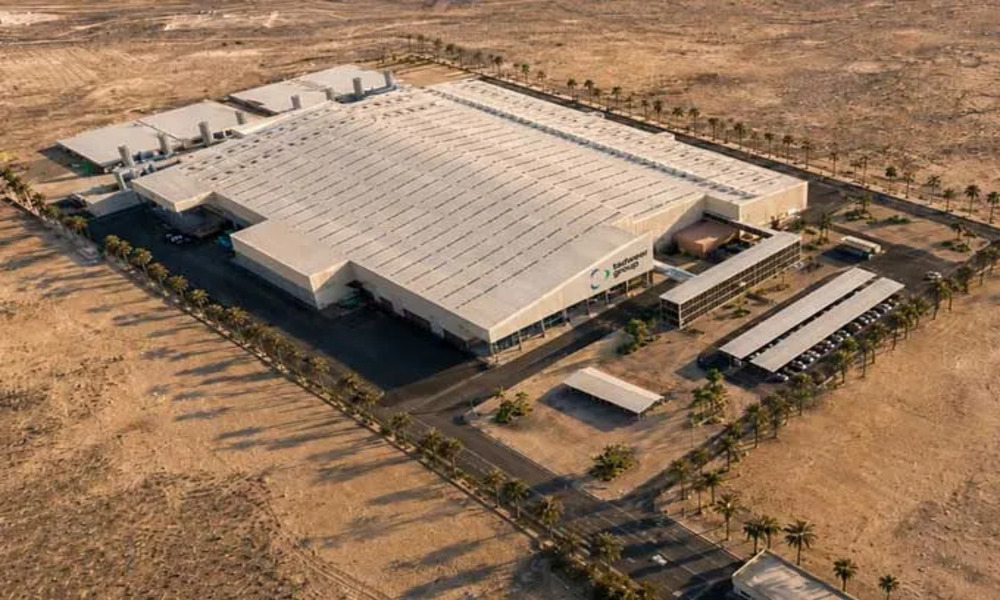
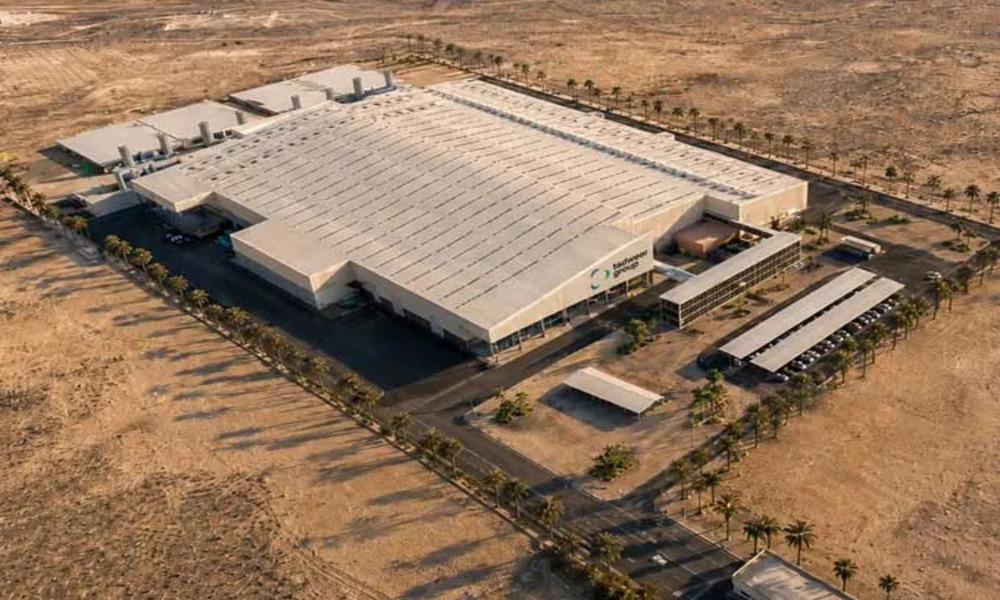
Abu Dhabi waste management company Tadweer Group has awarded a key contract to Spanish environmental solutions company Urbaser to develop the emirate’s first greenfield material recovery facility, a project designed to process 400,000t of waste annually.

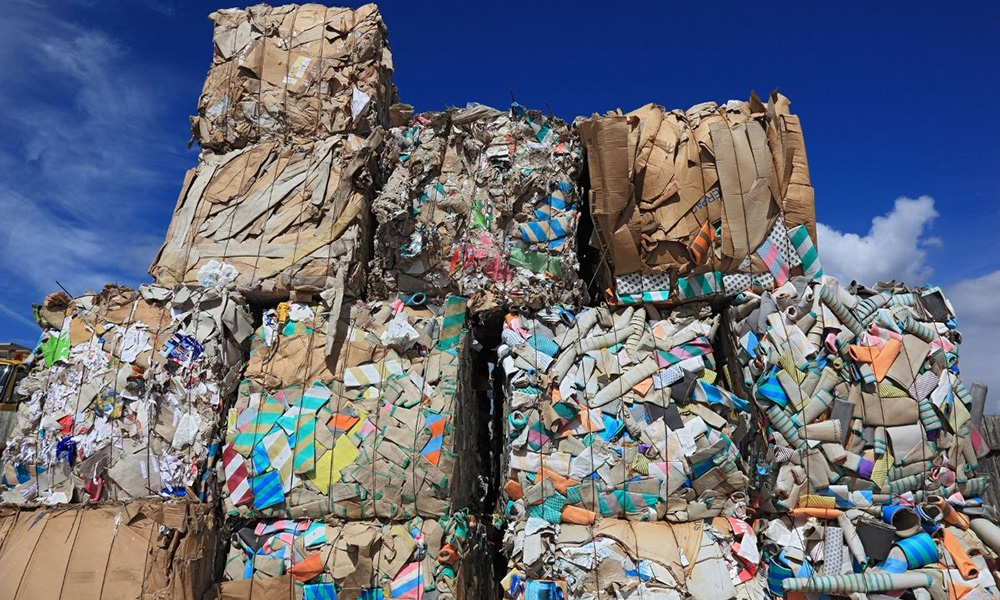
The facility will be capable of processing 200,000t of municipal solid waste and 200,000t of commercial and industrial waste each year, thus boosting Tadweer’s efforts to divert 80% of Abu Dhabi’s waste away from landfill by 2031.

Scheduled to become operational in 2028, the facility will strengthen Abu Dhabi’s ability to recover valuable materials, reduce reliance on landfill and support the emirate’s transition towards a more circular waste management model. The modern, state-of-the-art facility will use automated sorting and recovery systems, supported by optical technologies and AI, to improve the accuracy of material separation and increase recovery efficiency.

This will support the production of high-quality recovered materials for reuse or further processing in our waste-to-energy facility currently under development in Abu Dhabi, it stated.

Group CEO Etienne Petit said through this partnership, Tadweer Group continues to develop future-ready infrastructure that transforms waste into resources, strengthens Abu Dhabi’s material recovery capabilities and supports the UAE’s wider circular economy agenda.

“This milestone marks a strategic step in transforming how we manage waste at scale. Through our partnership with Urbaser, we are combining international operational expertise with advanced sorting and recovery technologies to support Tadweer Group’s ambition to divert 80% of waste away from landfill by 2031 and contribute to a circular waste management system for Abu Dhabi,” he stated.

According to him, the agreement covers both the construction and operation of the facility. Urbaser will deliver the construction phase. Once operational, the facility will be managed for 5-years through a joint venture between Urbaser, holding 60%, and Tadweer Group, holding 40%, he added.


Source: ME Construction News

Khalil-Al-Zadjali-1.jpg

July 14, 2026 foasummit0

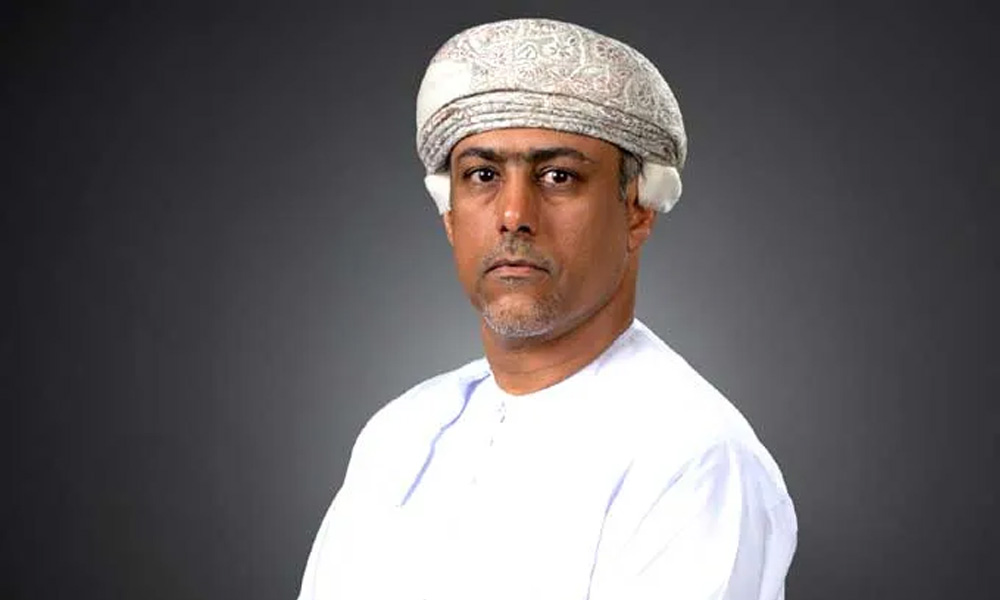
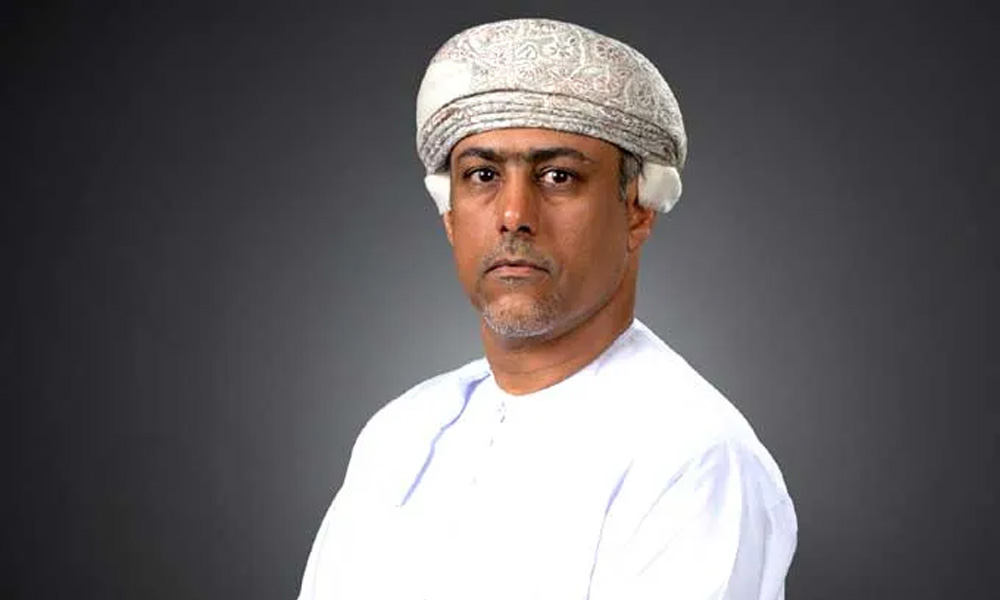
Cavendish Maxwell has appointed Khalil Al Zadjali, its Oman head, as the Vice President of the Valuation Committee at the Oman Real Estate Association (ORA).

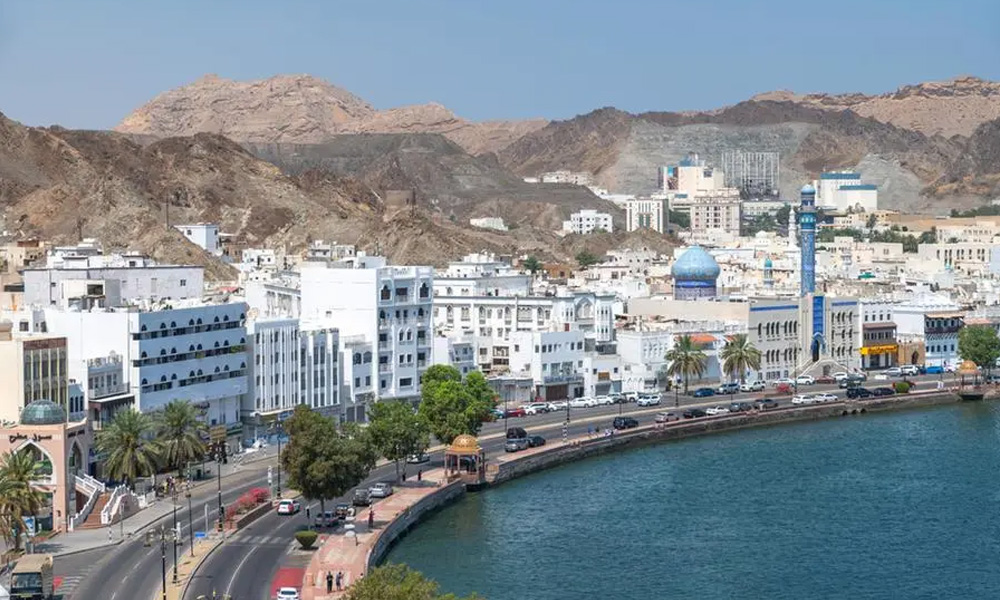
The appointment comes as Oman enters a new phase of real estate growth, driven by economic diversification, modern legislation and major urban development projects that are leading to rising demand for residential, commercial and tourism-related properties, said a statement from Cavendish Maxwell.

Al Zadjali said, “Oman’s real estate sector continues to attract local, regional and international investors seeking stable returns and long-term growth opportunities. It is an honour to join ORA in this important role, and I look forward not only to bringing my own contributions to the committee, but also to further enhancing my knowledge by working alongside such an elite group of industry professionals.”

Group CEO, Nick Witty added, “Khalil’s unrivalled expertise and insight are invaluable, and we are proud to see his leadership recognised at an industry level. This well-deserved appointment is a testament to his longstanding contribution to the real estate valuation profession, and we wish him every success in his role at ORA.”

Al Zadjali, in a voluntary capacity, will collaborate with ORA’s team to shape Oman’s property sector’s future. With 23 years of industry experience, he will contribute to strengthening professional standards, enhancing transparency, and advising on real estate legislation.

The Oman Real Estate Association (ORA), established in 2012 by Royal Decree, serves as the official representative of the real estate sector within the Sultanate of Oman. Collaborating with government entities such as the Oman Ministry of Housing, ORA strives to establish itself as the premier reference point for the property sector in the country.

Additionally, it functions as a platform for facilitating knowledge exchange and professional development within the industry. With more than 560 members, ORA provides a wide range of services, including training programmes, events and advice on real estate legislation.


Source: ME Construction News

Aldar-Yas-Point-1.jpg

July 14, 2026 foasummit0

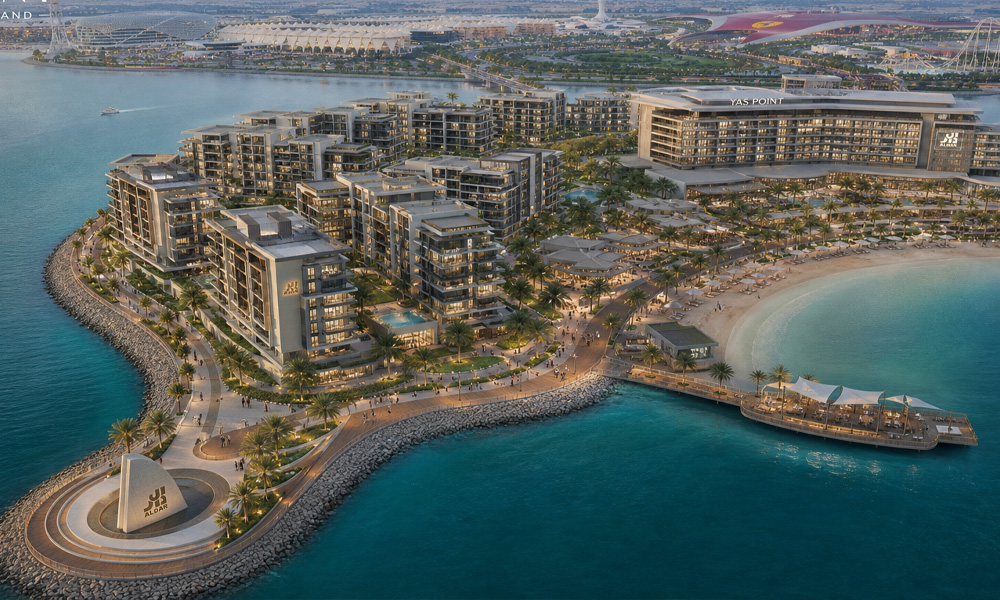
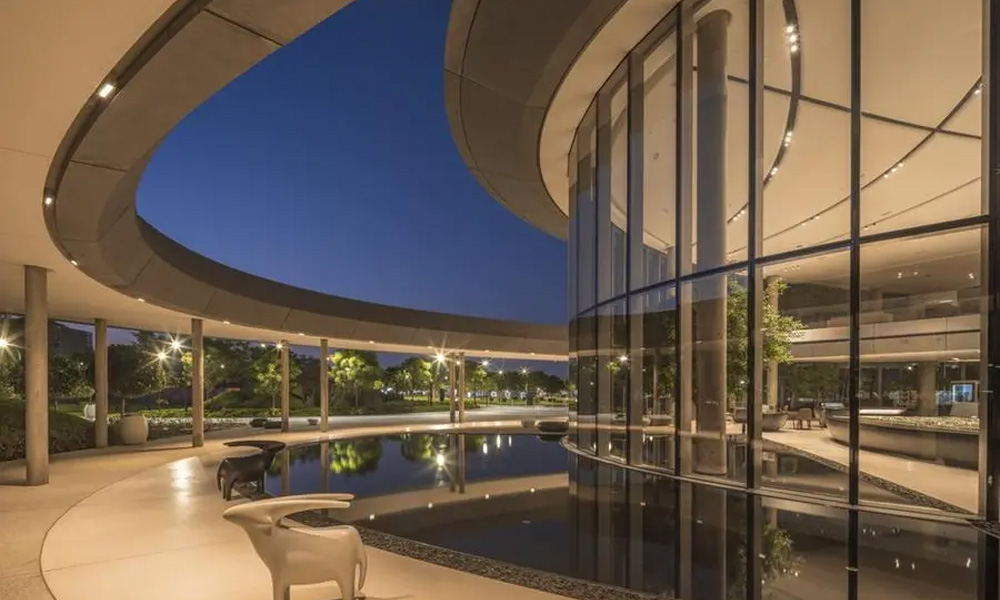
Developer Aldar Properties has unveiled Yas Point, billed as the next significant waterfront destination on Yas Island. Located on the northern side of Yas, this development represents a new era in the evolution of one of the region’s key entertainment and lifestyle destinations, said the developer.

With a gross development value of US $1.63bn, Yas Point is a fully integrated waterfront destination on the north of Yas Island, comprising a 5-star resort hotel, branded residences, an international school, retail, dining, and leisure, all set within a beachfront community connected to Yas Island’s wider lifestyle and entertainment offering.

Jonathan Emery, Chief Executive Officer, Aldar Development said, “The world’s greatest destinations never stand still; they continue to evolve to remain globally relevant and create new reasons for people to visit, live, and connect. Yas Point reflects that ambition, introducing a vibrant waterfront destination that expands how people experience Yas Island and reinforces Abu Dhabi’s position as a leading destination for lifestyle, tourism, and investment.”

Yas Point, situated right on the doorstep of Yas Island’s globally acclaimed attractions, is poised to transform one of the island’s main coastal sites into a connected destination. This envisioned destination will offer residents and visitors alike a unique blend of living, visiting, gathering, and exploring experiences, the developer explained.

Spanning across 600,000sqm, the Yas Point masterplan will feature 1,600 residences and is designed to encourage movement and discovery through a walkable masterplan with park connections and waterfront pathways. Once complete, Yas Point will become home to 5,000 residents.


Source: ME Construction News