Dar-Group-CopperTree1_1000x600-1.jpg

March 14, 2023 foasummit0

Dar Group has just announced that it has acquired a majority stake in a building analytics solutions provider. CopperTree is headquartered in Canada and is known for its Kaizen platform that is said to utilise patented data-contextualising technology to solve prevalent issues in building energy management and data integrity.

According to a statement, the deal will see CopperTree join the Dar Group of companies, and enable Dar to grow its market share and provide a more integrated digital service offering across its core markets, including transportation, buildings, energy, water and industrials.

Dar Group companies will be able to access a greater level of technological excellence on behalf of its clients, through CopperTree’s patented technology and leadership team of experienced subject matter experts, the statement explained.

In early February 2023, Aldar Properties formed a JV with Dubai Holding to enter the Dubai real estate market and, in early March, ALEC Energy partnered with Solar Earth to bring pavement integrated photovoltaic solutions to the GCC.

Through the deal, CopperTree is expected to gain access to a wider range of global markets which, in turn, will enable continuous growth for its Kaizen tools. These advanced platforms monitor the performance of built assets, improving decision making through the availability of live data and actionable insights.

CopperTree’s offering is expected to directly complement Dar Group’s existing ‘Para’ digital twin solution. The platform is said to allow those who own and operate assets to unlock the potential of vast amounts of untapped operational and IT data, paving the way for cost savings and for more productive, efficient, sustainable, and resilient performance.

The statement noted that CopperTree’s platform was purpose-built and consists of an energy information system (EIS) and a fault detection and diagnostics (FDD) platform with integrated system performance auditing. Using a SaaS model paired with managed services, CopperTree provides insights designed to save customers money and energy.

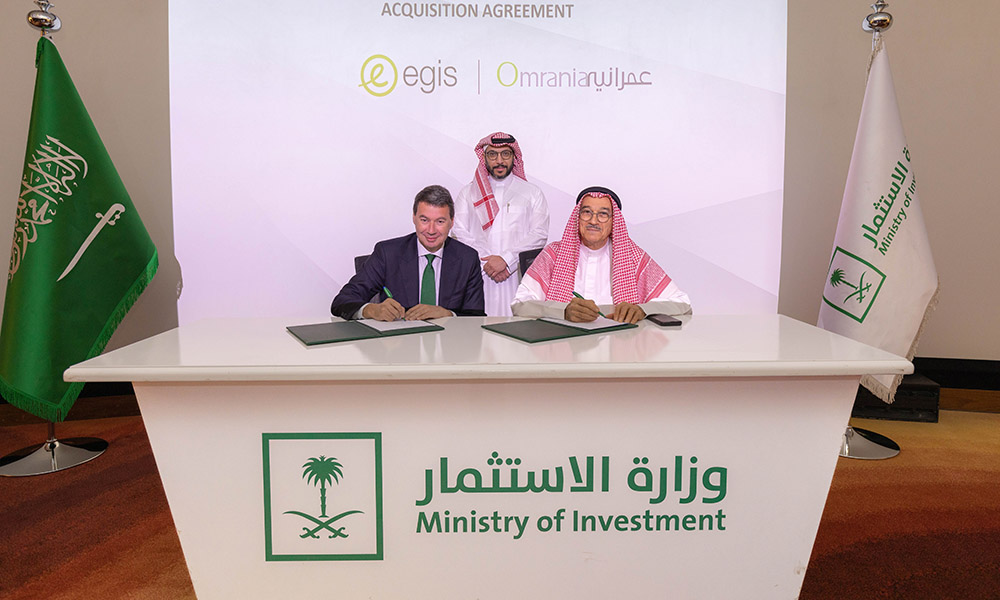
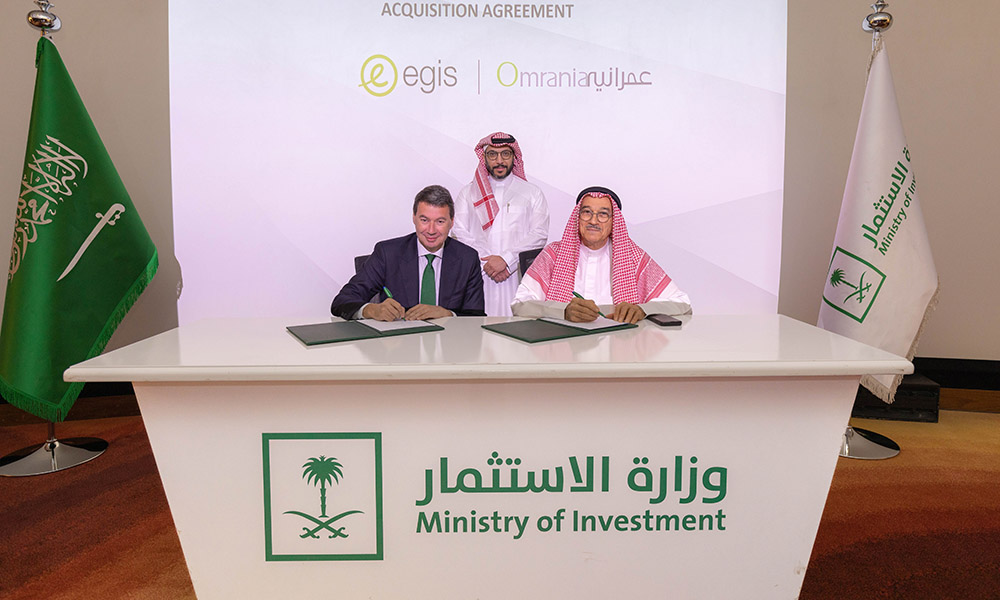
Later in March 2023, Egis announced that it would acquire Saudi-based Omrania.

The post Dar Group acquires Canada-based building analytics solutions provider appeared first on Middle East Construction News.


Source: ME Construction News


RTA-Al-Tayer_1000X600-1.jpg

March 14, 2023 foasummit0

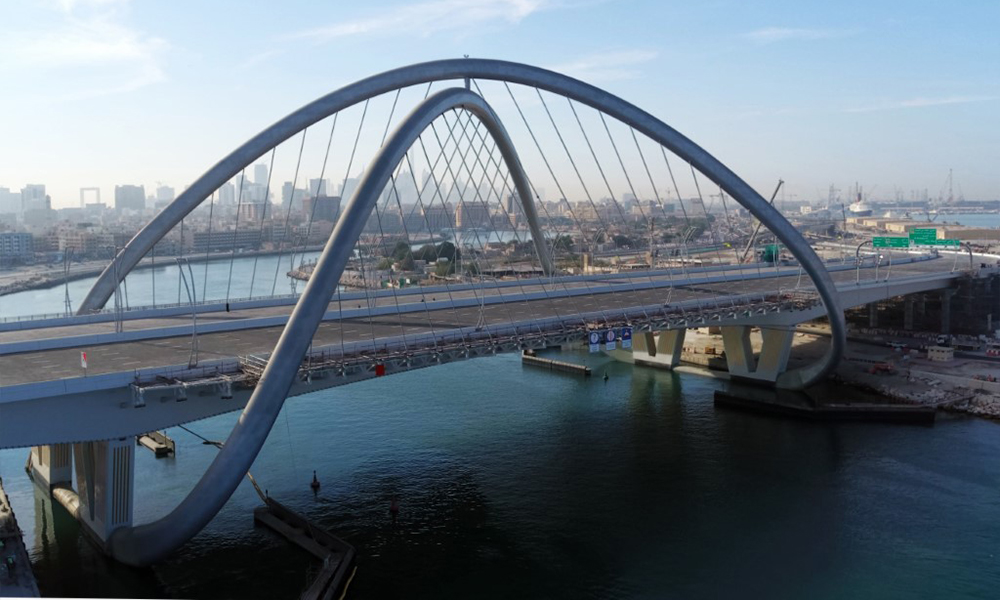
A US $217mn contract has been awarded by Dubai’s Roads and Transport Authority (RTA). The contract is for Phase 4 of the Al Shindagha Corridor Improvement Project, which extends 4.8km along Sheikh Rashid Road from the intersection with Sheikh Khalifa bin Zayed Street to the Falcon Interchange on Al Mina Road.

According to a statement from the RTA, the project aims to keep pace with the continuous development of the locality, while catering to the demands of urban expansion and population growth.

The scope of work includes the construction of three bridges spanning 3.1km in total, capable of accommodating 19,400 vehicles per hour across all lanes.

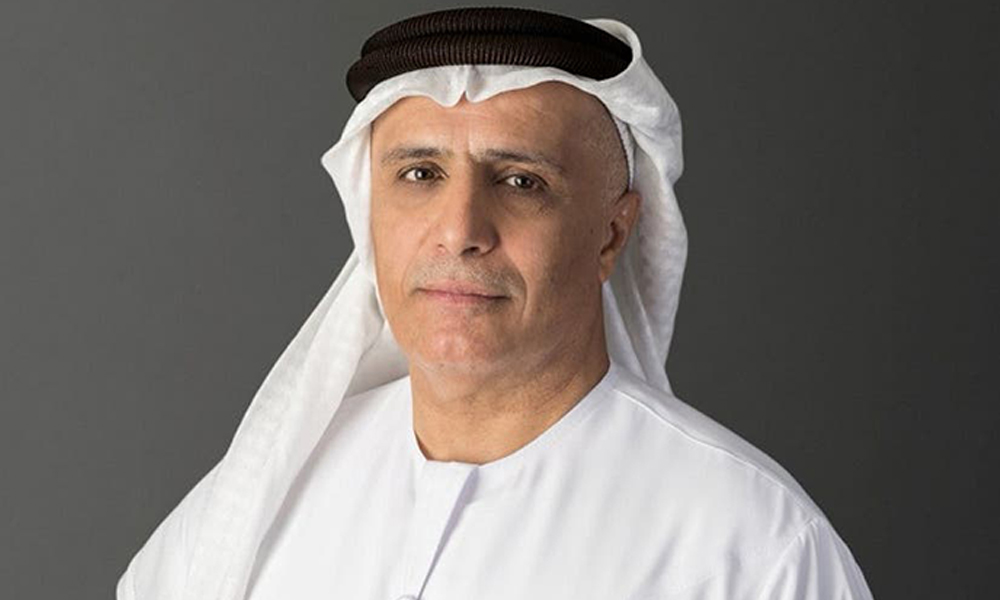
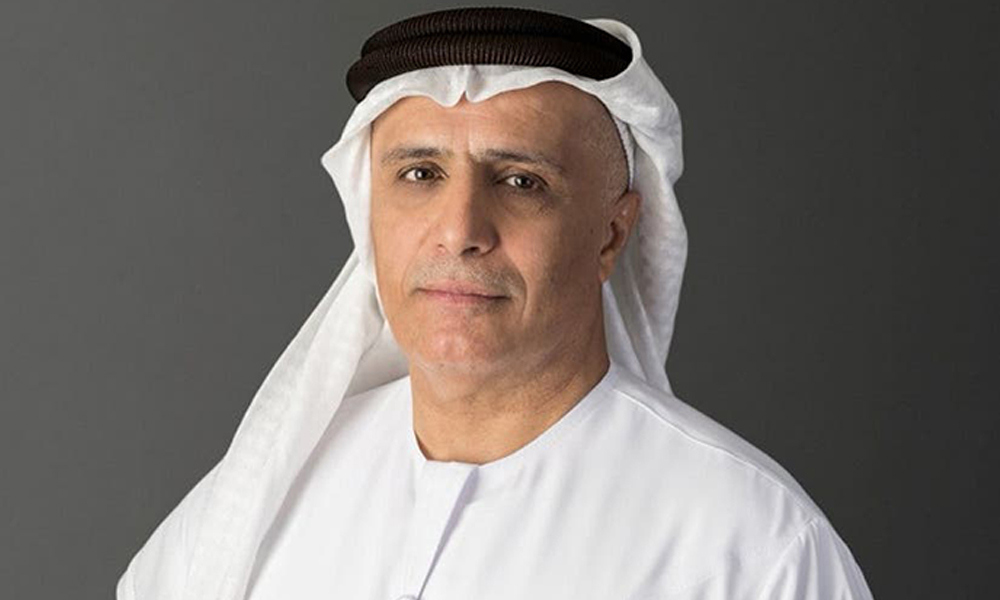
“The Al Shindagha Corridor Improvement project is one of the largest projects currently being undertaken by us with a total estimated cost of $1.443bn. The project encompasses the construction of 15 intersections spanning 13km in total,” said Mattar Al Tayer, the Director General and Chairman of the Board of Executive Directors of RTA.

In early December 2022, the RTA awarded contracts for three all-inclusive truck rest stops in Dubai.

The first is a three-lane bridge stretching 1,335m to ensure smooth traffic flow between Sheikh Rashid Road and the Falcon Intersection, with a capacity of 10,800 vehicles per hour in both directions, the statement explained.

The second bridge will also have three-lanes extending 780m to serve the traffic inbound from Falcon Interchange heading to Al Wasl Road with a capacity of 5,400 vehicles per hour. The third is a two-lane bridge extending 985m to serve traffic inbound from Jumeirah Street heading to Al Mina Road in the direction of Falcon Interchange with a capacity of 3,200 vehicles per hour.

It also covers the construction of two footbridges: the first on Sheikh Rashid Road, and the second on Al Mina Road in addition to street-lighting works, traffic systems, rainwater drainage networks, and irrigation networks, the RTA added.

Al Tayer remarked, “Due to its massive scope, the project had to be split into five phases. The corridor serves Deira and Bur Dubai in addition to several development projects such as Deira Islands, Dubai Seafront, Dubai Maritime City and Port Rashid. As such, it is expected to serve about one million people. It will slash the travel time from 104 minutes to just 16 minutes by 2030, and the time saved over 20 years will be worth about $12.25bn.”

Al Tayer also noted that the RTA had made significant progress in the construction works of the Falcon Interchange Improvement project, which includes the construction of two bridges along Al Khaleej Street.

In late December 2022, Phase I of the Sheikh Rashid Corridor Project was opened.

The first bridge extends 750m north, and the second one stretches 1,075m south. These bridges have six lanes in each direction with a capacity of 24,000 vehicles per hour in both directions. Works also include the construction of a single-lane bridge extending 250m for the right-turn from Khalid bin Al Waleed Street to Al Khaleej Street with a capacity of 1,600 vehicles per hour, the RTA pointed out.

Works underway include a two-lane 500m tunnel for left turns from Khaled bin Al Waleed Street to Al Mina Road capable of handling 3,200 vehicles per hour in addition to a surface signalised intersection linking Al Khaleej with Al Ghubaiba and Khaled bin Al Waleed Streets, the statement concluded.

In late January 2023, the RTA opened the Sheikh Zayed bin Hamdan Al Nahyan street improvement project.

The post $217mn contract awarded for Al-Shindagha Corridor project says RTA appeared first on Middle East Construction News.


Source: ME Construction News


Mariott-and-NEOM1_1000x600-1.jpg

March 13, 2023 foasummit0

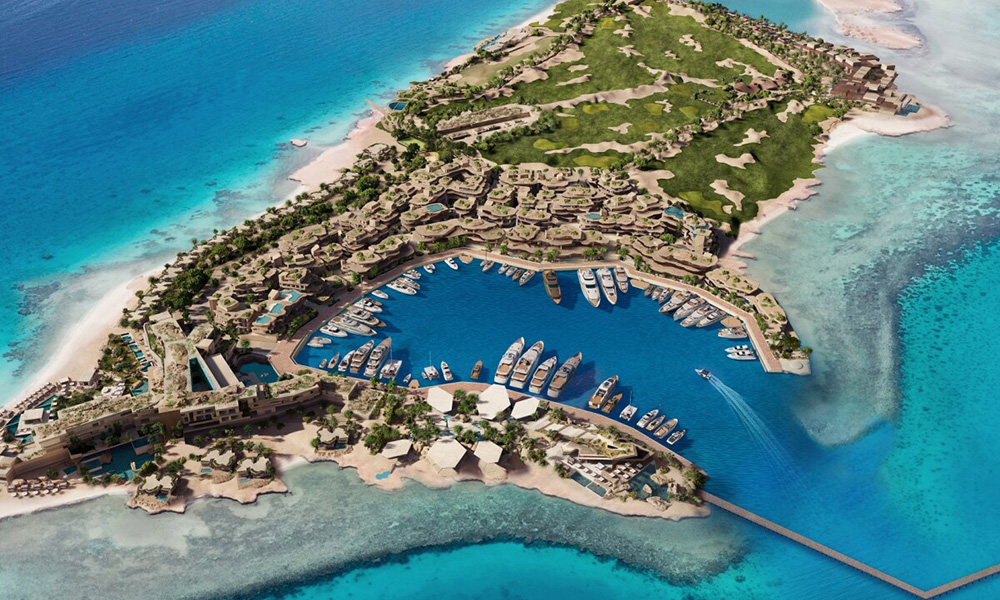
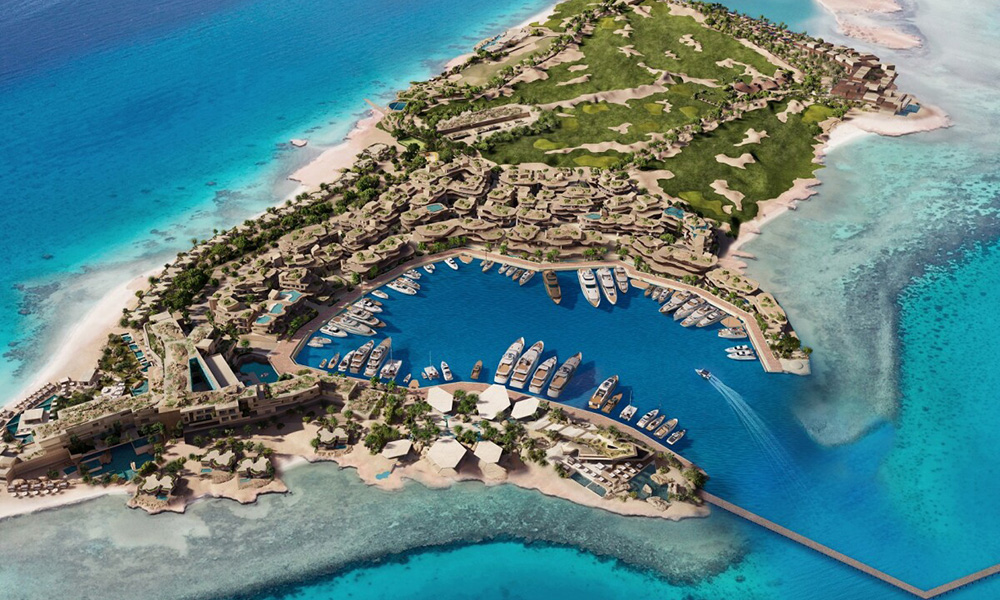
Global hospitality group Marriott International has signed an agreement with Neom to open three properties on the luxury island destination Sindalah, situated in the Red Sea off the Kingdom’s northwest coast.

Sindalah is said to be the first of a group of islands that will be developed in Neom and is set to be among the most alluring destinations in the Red Sea – it is expected to feature exquisite facilities and offerings surrounded by a diverse ocean environment that is home to 2,000 marine species.

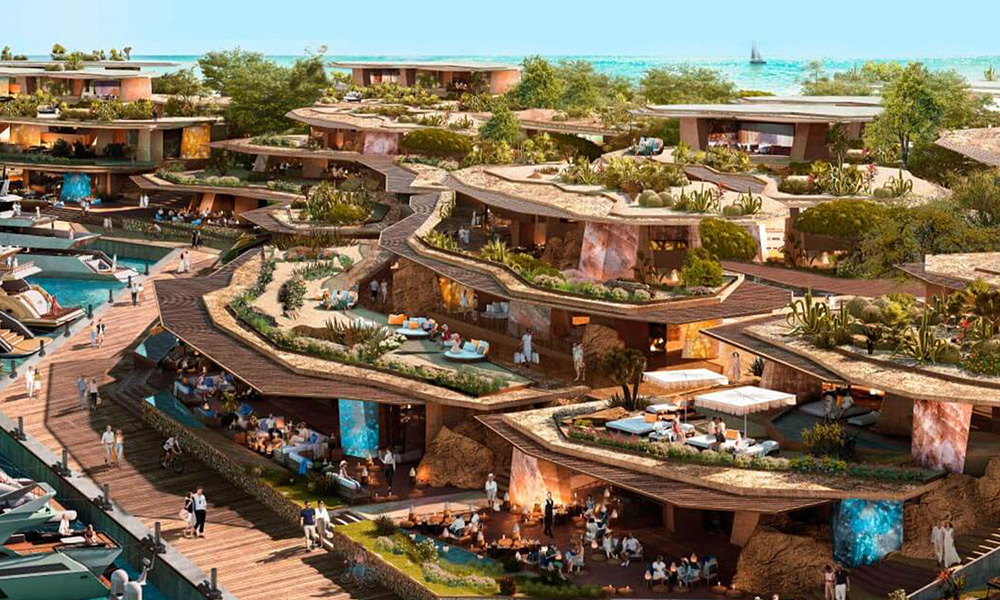
Extending over an area of 840,000sqm, Sindalah will be a new destination, located just 17 hours’ sail from the Mediterranean and featuring a 86-berth marina for yachts up to 75m, along with serviced offshore buoys for superyachts up to 180m. The island will also include over 400 ultra-premium hotel rooms and 300 top-end suites, a beach club, a glamorous yacht club, and 38 unique culinary offerings.

Unveiling its plans, Marriott said the multi-deal agreement includes Saudi Arabia’s first Autograph Collection Hotels property, as well as two Luxury Collection properties. Expected to open in 2024, the Autograph Collection property in Sindalah will offer a choice of 66 rooms and suites, including one- and two-bedroom villas, multiple dining options, a children’s club, and a spa.

In mid February 2023, Neom appointed Atkins as a delivery partner for The Line and, later in the month, it was announced that outdoor experiential hospitality company Collective Retreats has reached an agreement with Neom.

Jerome Briet, Chief Development Officer, Europe, Middle East & Africa, Marriott International, said: “Neom is one of the most highly-anticipated developments in the world and we look forward to working with its team to develop these three exciting properties. The Luxury Collection and Autograph Collection Hotels properties will express their own unique personality inspired by the exceptional natural landscapes of Neom. We continue to see growth opportunities for our brand portfolio within the destination and Saudi Arabia overall.”

The Luxury Collection aims to offer global travellers a gateway to the world’s most captivating destinations. It is expected to open two properties in the highly anticipated island destination, featuring transformational experiences and destination-rooted authenticity.

Slated to open in 2024, a beach resort will offer a mix of 70 luxury rooms and suites, including one-, two-, three- and four-bedroom villas all featuring private pools.

The second project, expected to open in 2024, is expected to be an all-suite property offering 115 one-, two- and three-bedroom luxury suites, and will be situated in the heart of the retail and marina district of Sindalah.

In early March 2023, an Acwa Power JV closed financing on a US $8.5bn green hydrogen project in Neom.

The post Marriott joins forces with Neom to open three properties appeared first on Middle East Construction News.


Source: ME Construction News


Middle-East-Digital-Construction-Awards_1000x600-1.jpg

March 13, 2023 foasummit0

The Big Project Middle East (BPME) editorial team has revealed the shortlist of companies, individuals and projects ahead of the first edition of its ME Digital Construction Awards. The gala dinner event is scheduled to take place on 15 March at the Habtoor Polo Resort in Dubai.

According to the BPME editorial team, nearly 100 nominations were submitted for consideration across 12 categories by the time nominations closed in late February 2023. Each nomination then went through two rounds of judging; the first was conducted by the BPME editorial team, following which the remaining nominations were deliberated on by a panel of five judges.

The inaugural event features 12 curated categories including: Excellence in Digital Planning and Design Implementation of the Year; Digital Construction Project of the Year; Big Project ME’s Technology Champion of the Year; Digital Construction Company of the Year (Contractor); Digital Construction Company of the Year (Consultant); Digital Construction Technology Provider of the Year (Software); Digital Construction Technology Provider of the Year (Hardware); Digital Construction Technology SME of the Year; Digital Construction Innovator of the Year; Net-Zero Technology Champion of the Year; Digital Collaboration Champion for the Year, and Digital Visionary of the Year.

“As the regional construction industry becomes increasingly digitalised, the BPME editorial team felt it was time for a separate awards event to celebrate the companies and individuals that are pioneering the sector’s digital future. We’re pleased with the response we’ve received thus far, particularly with regards to the number of nominations submitted to each category. We look forward to revealing the winners at our gala event on 15 March and to following new developments in digital construction thereafter,” said Jason Saundalkar, Head of Content at BPME.

The ME Digital Construction Awards is supported by:

Gold Sponsor – ALEC
Silver Sponsors – AECOM and ECC
Bronze Sponsor – Kairnial
Supporting Partners: ASGC, The SNC-Lavalin Group and JT+Partners

The shortlist for the 2023 ME Digital Construction Awards is as follows:

Big Project ME’s Technology Champion of the Year

  • Mateusz Lukasiewicz – KEO International Consultants
  • Mohammed Irfan Baig Mirza – ALEC Engineering & Contracting
  • Omar Ahmed – China State Construction Engineering Corporation M.E.

Digital Visionary of the Year

  • Carolina Fong Guzzy – Accienta
  • Juan Tena Florez – KEO International Consultants
  • Mansour Faried – China State Construction Engineering Corporation M.E.
  • Prakash Senghani – Navatech Group Limited

Excellence in Digital Planning and Design Implementation for the Year

  • ACCIONA
  • China State Construction Engineering Corporation M.E.
  • Power Construction Corporation of China – Abu Dhabi Branch

Net Zero Technology Champion of the Year

  • Desert Board
  • Facilio

Digital Construction Innovator of the Year

  • Integrated Dimensions Company
  • Red Sea Global
  • XD House

Digital Collaboration Champion of the Year

  • Dewan Architects + Engineers
  • Integrated Dimensions Company
  • LITE Development & Consulting

Digital Construction Technology SME of the Year

  • Accienta
  • CONSTAL
  • Navatech Group Limited

Digital Construction Technology Provider of the Year (Software)

  • Mastt
  • OpenSpace
  • ThinkProject

Digital Construction Technology Provider of the Year (Hardware)

  • Engineering Contracting Company
  • VERTECO

Digital Construction Project of the Year

  • 3-2-1 Qatar Olympic and Sports Museum – ACCIONA Cultura
  • Act One Act Two Project – China State Construction Engineering Corporation M.E.
  • Dubai Hills Mall & Indoor Storm Coaster – ALEC Engineering & Contracting

Digital Construction Company of the Year (Consultant)

  • AECOM
  • Al Ajmi Engineering Consultants
  • Dewan Architects + Engineers

Digital Construction Company of the Year (Contractor)

  • ALEC Engineering & Contracting
  • BESIX – VDC Department
  • China State Construction Engineering Corporation M.E.
  • DuPod

Read more about the ME Digital Construction Awards here.

Read more:

The post Revealed: Shortlist for 2023 ME Digital Construction Awards appeared first on Middle East Construction News.


Source: ME Construction News


Egis_Omrania_1000x600-1.jpg

March 10, 2023 foasummit0

Egis Group has entered into a definitive agreement to acquire Omrania, a Saudi architectural and engineering consultancy, in a move aimed at creating a concerted leadership position in high-end design and architecture services across the Kingdom.

According to Egis, the acquisition marks a significant step forward for both firms, bringing a strong geographic and business alignment and creating an opportunity to leverage a joint footprint and client base.

Headquartered in Riyadh, Omrania has 50 years of experience in creating environments of lasting value and improving lives through design, the statement said.

With the addition of almost 700 professionals from Omrania, Egis in the Middle East region is expected to grow to over 3,000 people. The transaction is expected to close in the first half of 2023.

In early December 2022, Egis announced the agreement to acquire multidisciplinary design practice, U+A and, in early January 2023, DeSimone acquired Dowco Group’s global detailing and BIM business.

On the strategic move, Group CEO Laurent Germain said: “With the addition of Omrania, Egis will create a true leadership position in high-end design and architecture services in Saudi Arabia. Together with Omrania’s team, we have a shared vision to design sustainable and contextual environments that enrich the quality of everyday life. Egis looks forward to welcoming Omrania’s employees and joining forces with such a well-respected, Saudi-grown architectural and engineering consulting name.”

Founded in 1973, Omrania is said to have built a strong reputation for its integrated and interdisciplinary approach to architecture, master planning, urban design, landscape and engineering services.

Through its work with government entities, cultural institutions, the private sector, and other organisations, Omrania offers its clients comprehensive design services, from conceptual studies to design development and construction site supervision, the statement concluded.

In late January 2023, RINA said it secured a foothold in the US infrastructure market with the acquisition of Patrick Engineering.

The post Egis to acquire Saudi-based Omrania appeared first on Middle East Construction News.


Source: ME Construction News


ICC-Workshop1_1000x600-1.jpg

March 10, 2023 foasummit0

Innovation has been a driving force for growth in the construction industry, and to ensure that products and materials used in construction meet the relevant standards and pose no threat to the community, they must undergo rigorous testing and certification processes. In the MENA region, there are increasing efforts from the regulatory agencies to implement policies and procedures that support the safe and compliant use of innovative building systems.

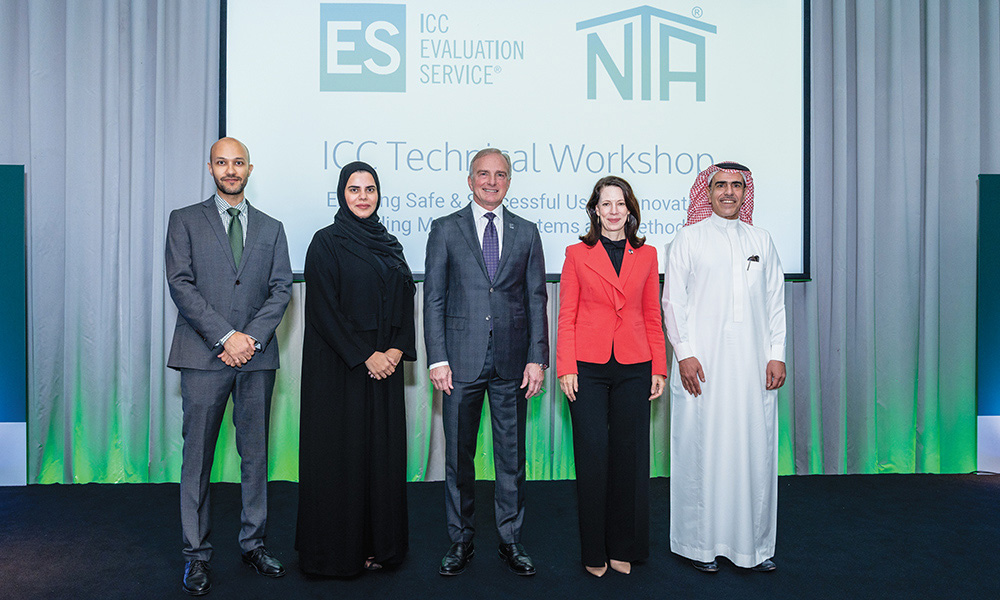
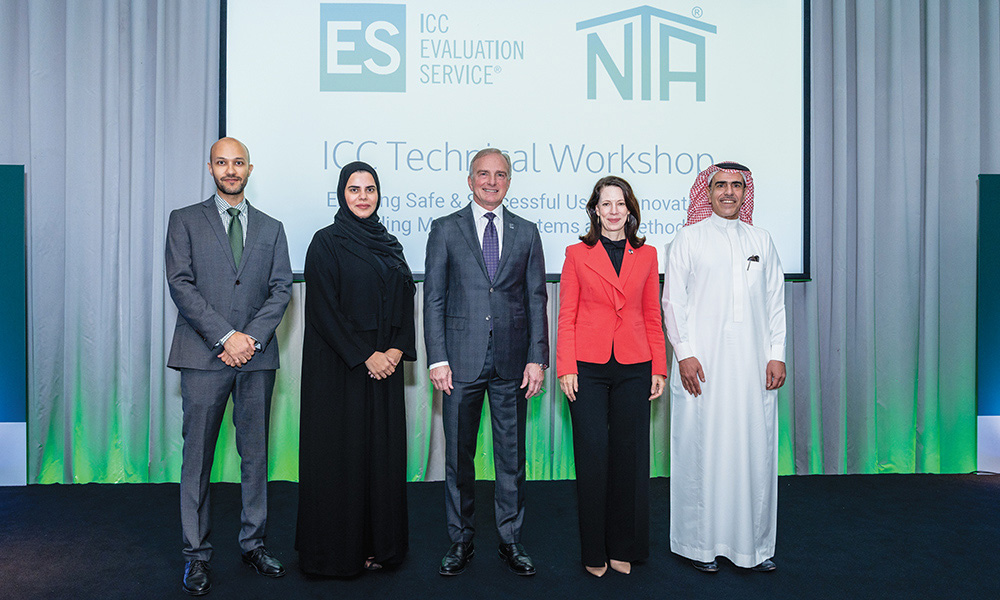
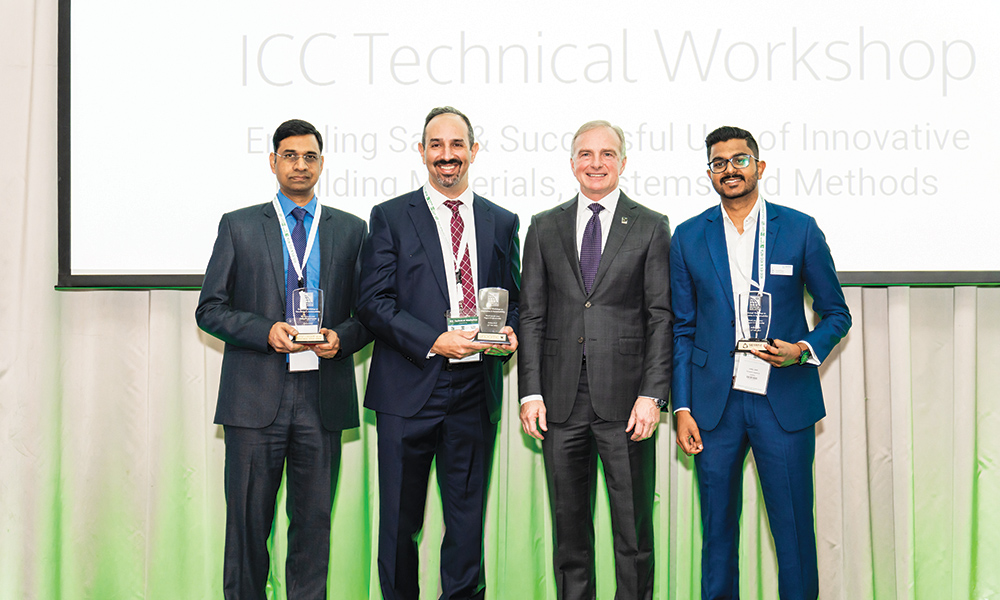
The International Code Council’s recently concluded workshop on 15 February 2023, highlighted the importance of a strong regulatory framework that can accommodate innovation and how, through its services, the International Code Council Evaluation Service (ICC-ES) is bridging the gap. The inaugural workshop was presented by the International Code Council’s MENA office in Dubai (ICC MENA) and it focused on the need to streamline the process of enabling the safe use of innovative and sustainable products in the construction industry. Presentations by manufacturers, regulators, stakeholders, and ICC-ES provided valuable insight and suggestions for improving the market for innovative construction products and materials.

Product evaluation: A matter of trust

It is crucial to evaluate construction products to ensure that designers can specify and builders can purchase safe and compliant materials and systems. In markets and industries where any product failures will have significant consequences, certification becomes a requirement. Certification offers numerous advantages, such as demonstrating compliance with specific standards, ensuring that products are used properly and meet the required specifications, and providing assurance to manufacturers and developers about product quality. By following the right compliance pathways, manufacturers can also reduce their risks and liabilities, while maintaining quality assurance for the certified products.

The use of quality-assured testing and certification processes and systems ensures the consistent compliance of every building product. In the MENA region, where scheme owners and demand drivers are AHJs, ensuring public safety is of top priority, and a robust regulatory framework is a critical pre-requisite to ensure compliance with building codes and standards. As a building safety expert with 90 years of history, ICC-ES understands that a strong regulatory framework for evaluating innovative construction products must resonate with reliable, accredited product testing and certification processes to guarantee the safety and quality of construction products and materials.
The role of ICC-ES in closing the gap

As a reputable third-party certification company, ICC-ES is independently accredited by numerous agencies to ISO/IEC 17065, and specialises in conducting technical evaluations of building products, materials, and systems to assess their compliance with building codes and standards.

With their trusted engineering expertise, ICC-ES has become a key player in the industry, providing technical evaluations to support regulators in the MENA region. Through partnerships with the AHJs, ICC-ES provides confidence to regulators, designers and the public by ensuring that every construction product and material entering the market meets specific standards without compromising public safety.

Offering total conformity assessment solutions for building safety stakeholders, including product testing, evaluation, and certification, ICC-ES works closely with all concerned stakeholders. It aims to provide a comprehensive solution that fills the gap between prescriptive regulations and innovative solutions and ensures the safety and compliance of construction products and materials, building a safe future for the community.

By facilitating the workshop, ICC MENA was able to serve as a market enabler, building trust among stakeholders and ultimately honouring and fostering safer and more compliant construction practices from all concerned parties. This exchange of insights and perspectives will continue to create opportunities for stakeholders to identify emerging trends and develop strategies to meet the evolving needs of the market.
The event: International Code Council’s Workshop exploring the safe and compliant use of sustainable and innovative technologies in construction

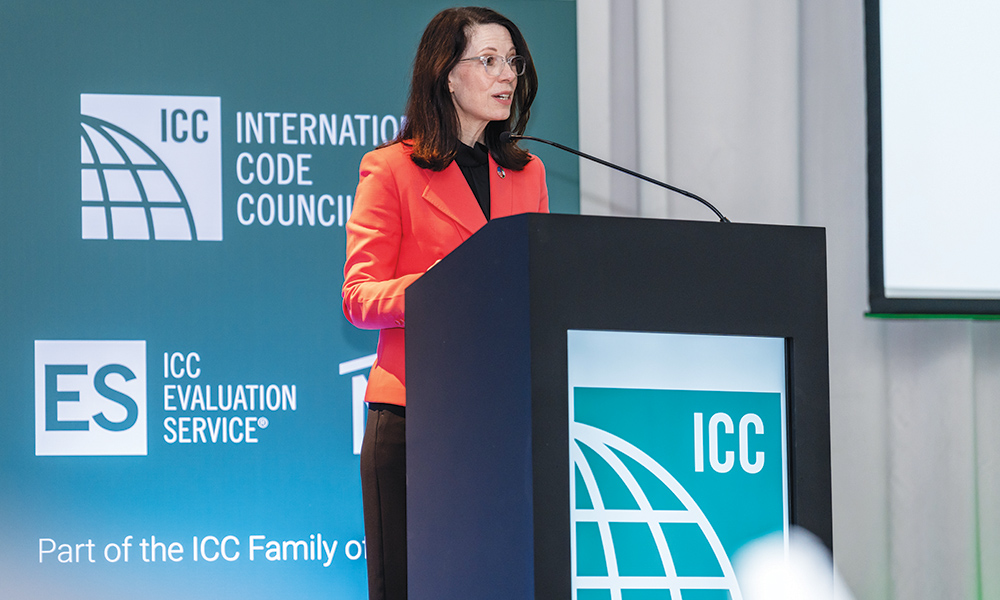
The workshop commenced with opening remarks from notable industry leaders including Dominic Sims, CEO, International Code Council; Meghan Gregonis, US Consul General, Dubai; Engineer Aisha Al-Mulla, Head of Research and Building Section, Dubai Municipality; and Engineer Riyadh Al Rasheed, Director of Technical Affairs, Saudi Building Code National Committee.

More than 90 delegates attended the event, with attendees coming from across the industry, including leading authorities having jurisdictions (AHJs), developers, contractors, architects, designers, and manufacturers, among others. The International Code Council showcased its on-the-ground support for organisations involved in building safety including government entities, construction management corporations, manufacturers, and design professionals.

Hosted by Mohamed Amer, Regional Director of Operations, ICC MENA, the workshop explored the need for increased compliance in the construction industry, especially in growing markets of the MENA region. He was joined by Dominic Sims, CBO, Chief Executive Officer, International Code Council and Shahin Moinian, PE, Executive Vice President of the International Code Council’s Conformity Assessment Group, as well as several International Code Council senior executives and board members from the United States.

The workshop delved into the challenges and opportunities in the region as it pushes the boundaries of architecture and engineering with ambitious projects in Saudi Arabia and the UAE. Fundamental to safety in the built environment, the workshop highlighted the crucial importance of a robust regulatory framework for advanced and new building systems. Amer called for the sector to understand the importance of starting from a solid foundation, with stringent compliance, education, and technical knowledge sharing back to the construction community being keys to the future progress of the industry.
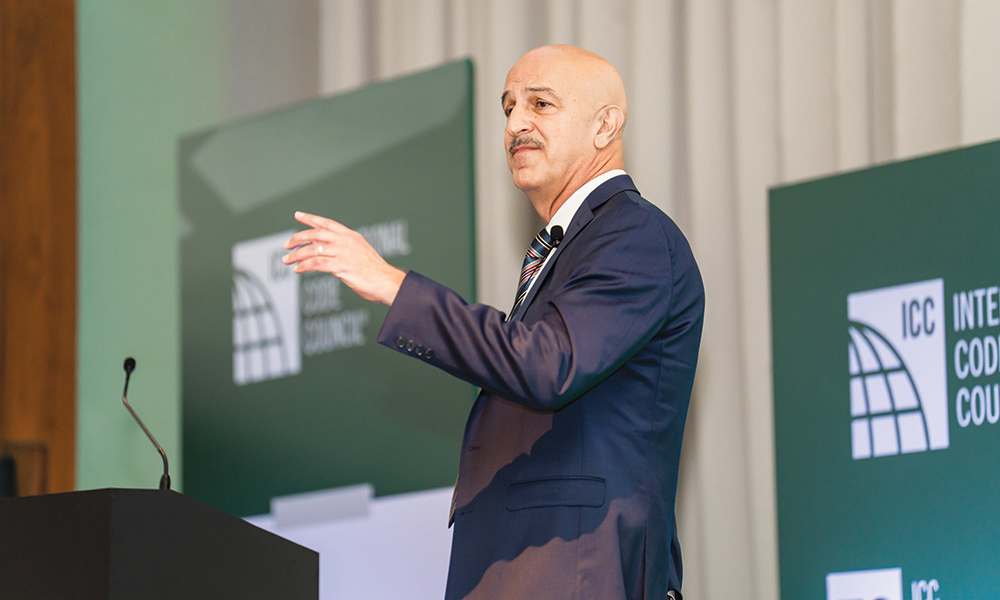
In order to better understand the aims and objectives of the International Code Council, Big Project ME caught up with Dominic Sims and Shahin Moinian on the side lines of the event for a chat about the day, the importance of codes and standards for the construction sector as it grapples with an unprecedented technological revolution, and the work that the International Code Council is doing with regional governments, following the successful launch of its office in Dubai.

“The workshop has been what we’ve envisioned and hoped for, and that was to get stakeholders talking about the use and application of innovative products and methods,” said Sims. “There’s also a growing understanding that products in and of themselves aren’t ‘it’. It’s about how they fit into a whole building system, and I think that’s one of the values that the International Code Council brings – we have a complete Family of Solutions, for every aspect of the built environment. A lot of the talk today was about product certification and evaluation and how this impacts a particular building design.”

Shahin Moinian added that throughout the day, attendees were conversing with International Code Council representatives and amongst themselves about getting their products certified and approved. He adds that he felt that there was a sense of uncertainty around starting the process of certification, which is why holding the workshop was so important.

“The major manufacturers design products to ensure compliance with the codes and standards before launching them. But some of the people who come up with innovative widgets and products, they may not know (the codes) or the process. Or maybe, they just need to find the right person to go and talk to,” he highlights, illustrating the reasons why the workshop needed to be held.

Sims points out that while things are evolving in the right direction, with the GCC increasingly taking on a strong leadership role, things can certainly improve across the region.
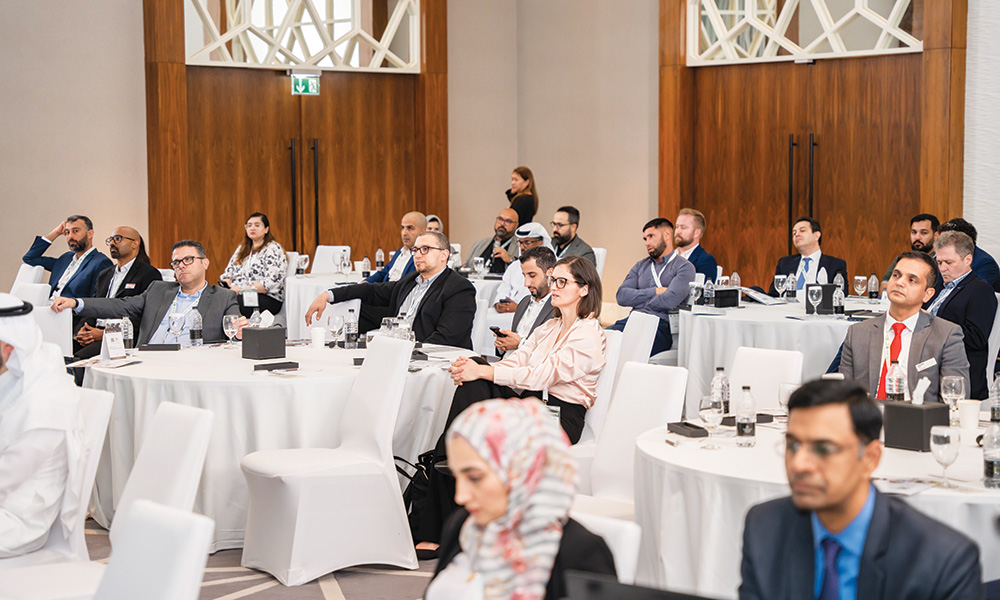
“Our activities here have certainly increased. We’ve established an office in Dubai and will likely be opening an office in Saudi Arabia as well, because there’s so much interest,” he says. “What we hope to see is more uniformity – that is part and parcel of our mission. One of the speakers pointed out today that the more unified a regulatory system is, the greater the level of compliance, and it actually helps reduce costs, because manufacturers then don’t have to create separate products for smaller markets but can instead create one product for a much larger market.”

Moinian points out that Abu Dhabi and Saudi Arabia have codes that are based upon the International Codes (I-Codes) and their codes reference many of the same standards of the model I-Codes. “In those two jurisdictions, I believe that the standards are well developed. In Dubai, – we had a fantastic meeting with Dubai Municipality (recently) and it looks like we’re going to cooperate and they’re going to use some of the criteria that we have developed for a lot of products,” he reveals.

“It takes a while for all parties to get on the same wavelength, but they (Dubai Municipality) have fantastic engineers – second to none – and our engineers are the same. It behoves us to cooperate. But at the same time, I feel that it’s one of those exponential type of things. We’re now on the same wavelength and as time goes on, it’ll be to the benefit of both parties to cooperate. They have a lot of evolving business activities, and we are glad to be part of it,” Moinian asserts.

Looking forward, Sims highlights Saudi Arabia as a key market for the International Code Council to have a base in and noted that the company is still working on the timeline for setting up an office there. However, he asserts the pace and scale of the giga-projects taking shape in the Kingdom means that there is a lot of demand on and for ICC resources, and that being on the ground will make a significant difference to the International Code Council’s ambitions there.

The International Code Council has been involved in projects in the region for more than 27 years and several jurisdictions use the International Codes as the basis for their building safety regulations. For example, in 2012, Abu Dhabi government, through its Department of Municipal Affairs, introduced the Abu Dhabi International Building Codes, which are based on the International Codes developed by the International Code Council to be the standards to guide the development of construction projects in the emirate.
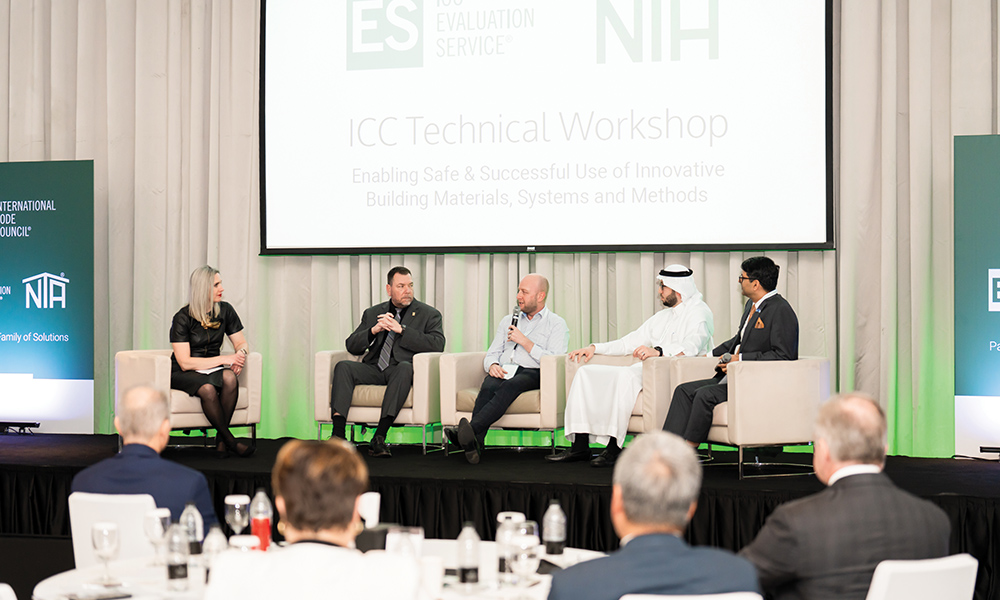
Furthermore, while the I-Codes have been widely referenced in specific projects in Saudi Arabia for many years, including most of Saudi Aramco’s construction projects, in 2018, the Saudi Building Code National Committee introduced a mandatory suite of codes based on the I-Codes.

Communication to the industry is so important. Our team needs to convey the message that the International Code Council is a knowledge company, offering total conformity assessment solutions, and transferring our knowledge to manufacturers, designers and regulators,” Sims points out.

The Gulf Building Codes, which were announced by the Gulf Standardisation Organisation in September of 2022, are in turn based on the Saudi Building Code, drawing heavily from the I-Codes. Some of the new Saudi giga-projects, including NEOM, will see the implementation of the codes to create resilient projects, they add. Both Sims and Moinian say that they are confident about this last development having a transformative impact on the industry.

“Obviously, purely from a building safety perspective, uniformity has a lot of advantages to it. Firstly, it’s more predictable – manufacturers know what the rules are, while contractors understand them as well. Consequently, you can create more robust training programmes,” Sims elaborates.

“But at the same time, communities and governments are unique, and sometimes there are unique situations – so we have to allow for that diversity. I don’t think there’s a one size that fits all, but it should be possible to achieve something like 80% or 90% uniformity, with a little bit of wriggle room.”
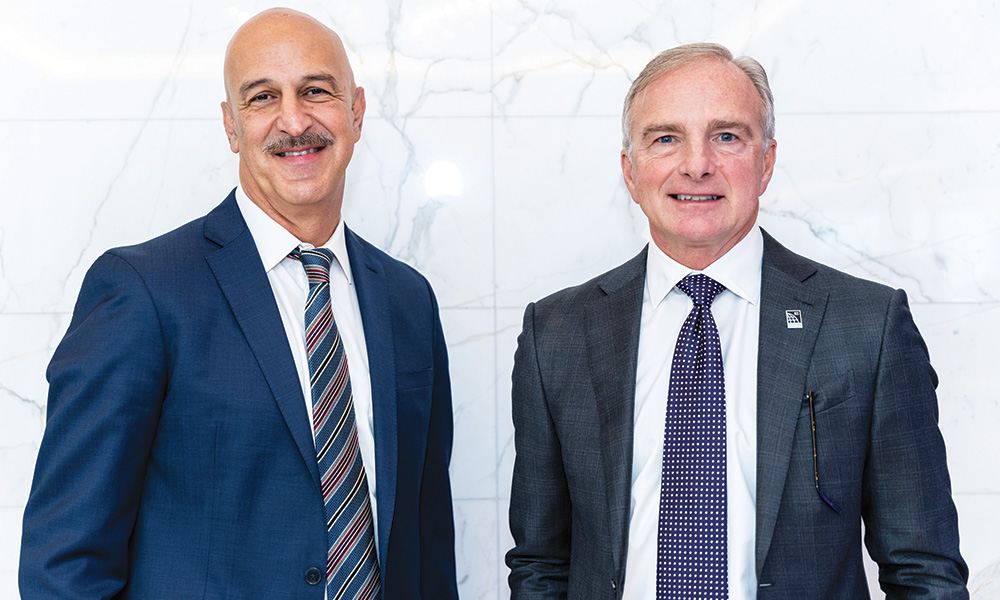
Moinian adds that as an organisation, the International Code Council is currently focusing its efforts on moving the needle forward in its key markets of Dubai, Abu Dhabi, and Saudi Arabia.

“However, as time goes on, I think we’re going to spread through the region. We have the tools to train and help manufacturers from any part of the world. What we do helps save lives,” he asserts, adding that the International Code Council is committed to continuously updating and improving its codes and standards.

Furthermore, because a lot of work carried out by the International Code Council is in the virtual world, both he and Sims encourage regional professionals to get involved online and become engaged in the process of developing and understanding codes for the region’s built environment.

“Our codes and standards are adopted, referenced, or accepted and implemented by a whole range of jurisdictions, both big and small,” says Sims. “Sometimes, they’re implemented more effectively than others, and that’s really something that governments need to consider when they’re looking at their economic development. The construction sector is important to most economies, and with the changes that are going on with regards to decarbonisation, it’s going to be even more important.”

Which is why we do offer training for regulators, to have them understand what best practices are, in terms of creating a one-stop permitting approach, or even streamlining the regulatory system. It takes a local will to want to do things like that, and we absolutely see that here in the region,” he concludes.

Read more:


The post Conformity assessment for the Middle East appeared first on Middle East Construction News.


Source: ME Construction News


Azizi-Park-Avenue_1000X600-2.jpg

March 10, 2023 foasummit0

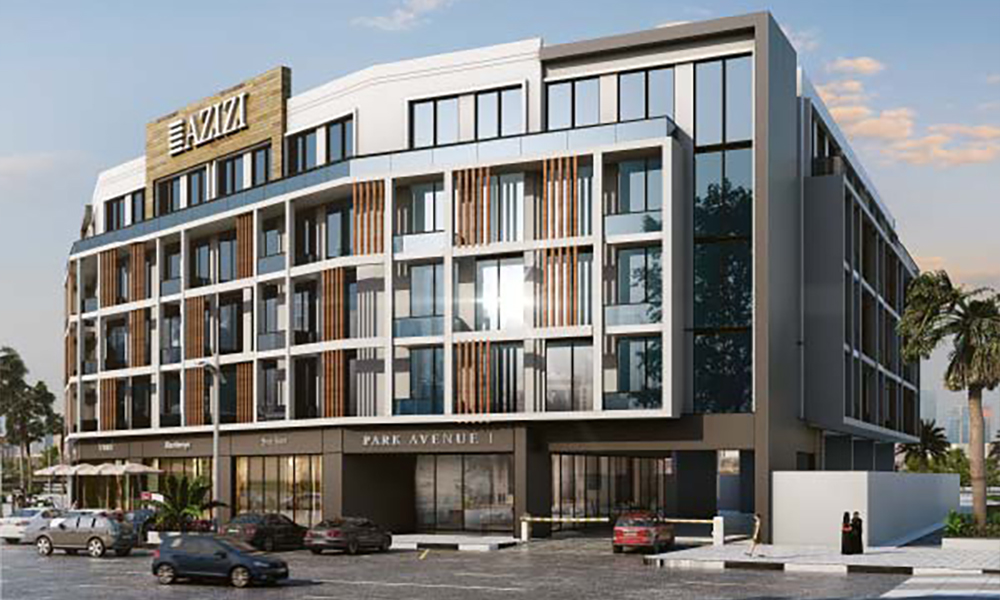
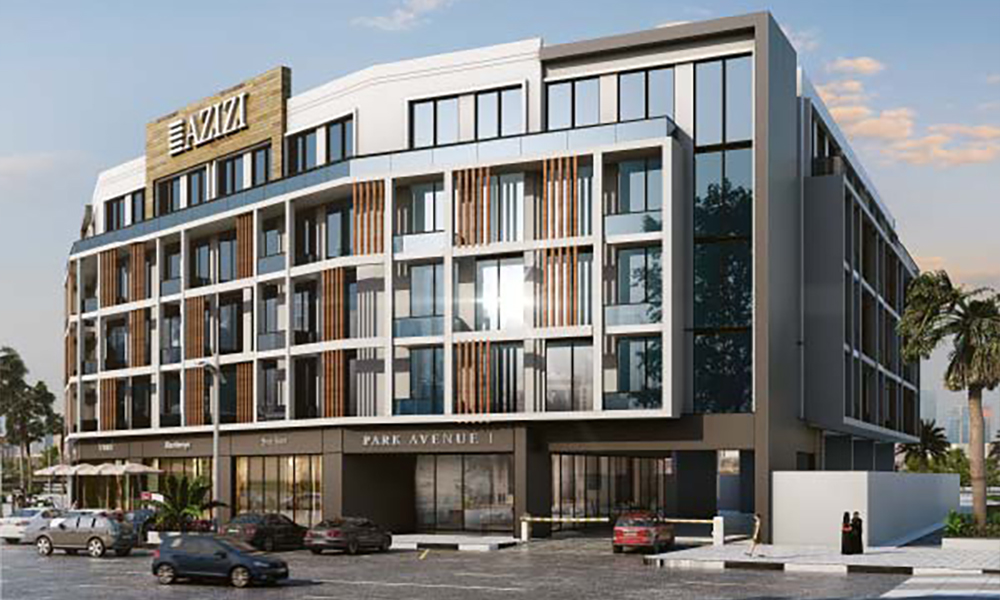
UAE-based Azizi Developments announced that it has extended its partnership with German high-end bathroom and kitchen fittings manufacturer Kludi. The German brand is providing accessories and brassware for the Park Avenue I & II projects in MBR City.

Kludi caters to the Middle East, South Asia, and Africa markets and is said to provide leading-edge German technology and quality-assurance processes through its regional unit, Kludi RAK LLC.

In early January 2023, Azizi said it would develop a US $5.4bn Dubai South project and, later in the month, it said that its Park Avenue I project was 58% complete.

Azizi CEO Farhad Azizi commented, “We are delighted to again be partnering with Kludi GmbH & Co., this time for our exceptional Park Avenue I & II projects in MBR City. We pride ourselves on procuring only the highest quality of components for our projects, with Kludi being a stellar example. They have done an exceptional job at Riviera and have thereby proven their many merits in the durability, innovation, and sustainability of their world-renowned products. This design and construction philosophy aligns with our passion to develop quality homes that embody unparalleled modern luxury, guaranteeing investor satisfaction through the enhanced lifestyles that they offer.”

Built around the concept of ‘connected serenity’, the Azizi’s Park Avenue project is billed as the epitome of a strategic, easily accessible, and convenient location; surrounded by greenery, it’s in close proximity to Azizi’s French Mediterranean-inspired, master-planned community, Riviera.

In early February 2023, Azizi’s said that its Park Avenue II project is set for Q2 handover.

The post Azizi extends Kludi partnership appeared first on Middle East Construction News.


Source: ME Construction News

Alec-Energy-Solar-Earth3_1000x600-1-1.jpg

March 9, 2023 foasummit0

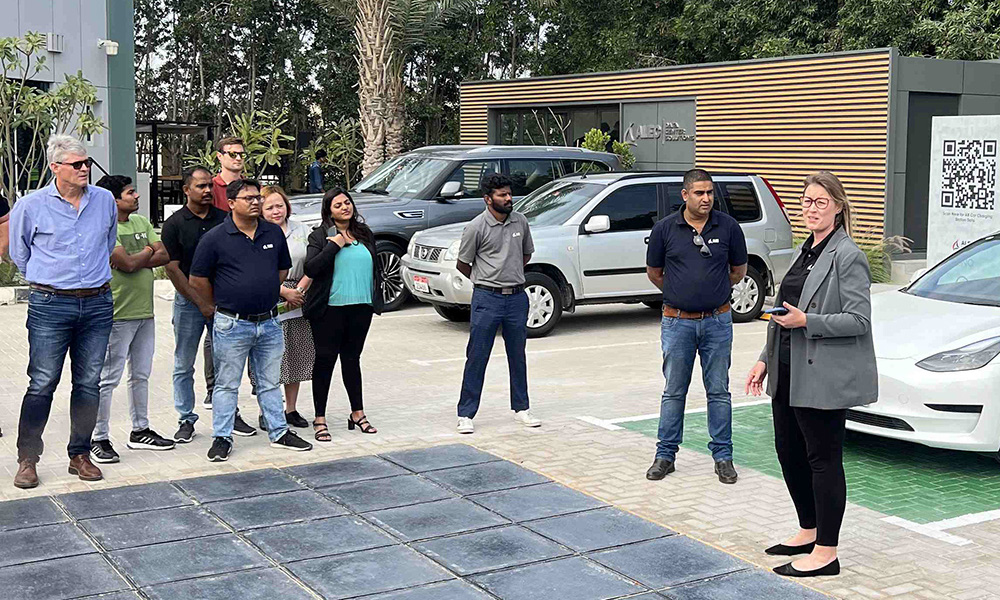
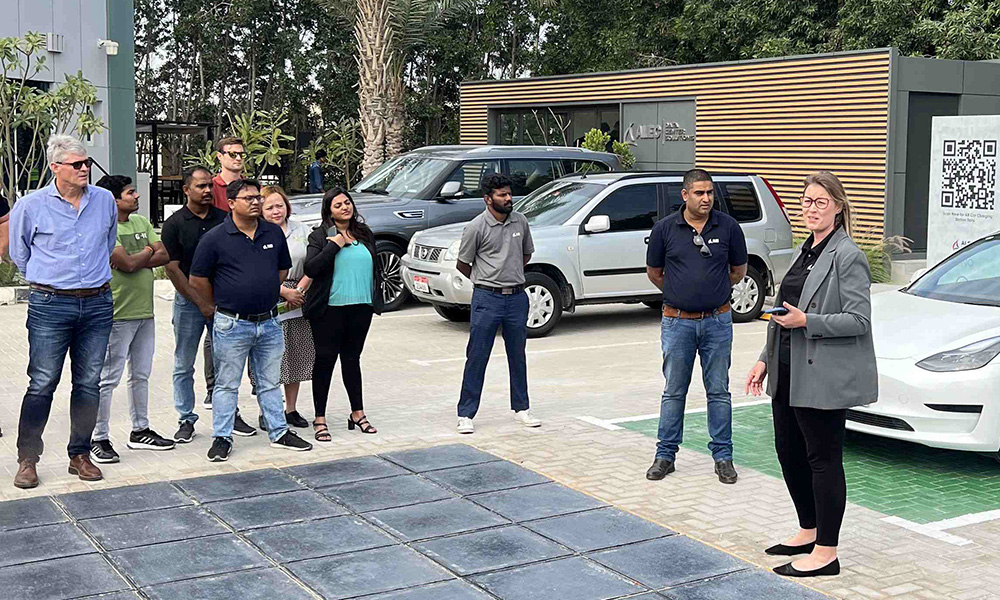
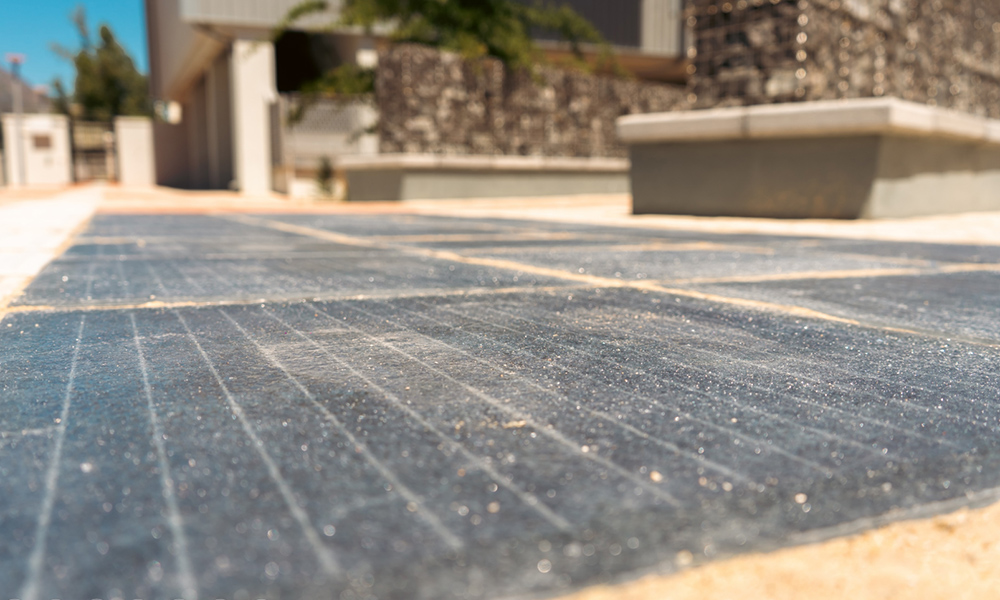
ALEC Energy has partnered with Solar Earth as part of its drive to advance innovation in clean energy production in the region and beyond. Canada-based Solar Earth has developed what’s billed as the world’s most rugged pavement integrated photovoltaic (PIPV) solution, touted by the firm as the ‘Toughest Solar on Earth’.

Solar Earth’s PIPV solution will enable governments and private enterprises to carry out wide scale solarisation of every hardscape infrastructure such as pavements, roads, plazas, and parking lots, turning these into clean energy generating assets, ALEC Energy said in its statement. The firm added that the region’s first PIPV solution is being implemented at ALEC Group’s modular manufacturing factory in Dubai (LINQ Modular).

ALEC Energy is a related business division of ALEC Engineering and Contracting, and offers a complete turnkey solution for all types of solar and hybrid energy plants. ALEC Energy recently delivered the world’s first off-grid micro-grid at the Mohammed bin Rashid Al Maktoum Solar Park in Dubai.

“While the GCC has been blessed with a perennial abundance of sunlight, the constraints of traditional solar panels have limited the ability to unlock the immense potential of this clean energy source,” said Basar Kayali, General Manager of ALEC Energy.

Solar Earth panels are said to be skid resistant and unlike their traditional counterparts, they have been designed to be extremely rugged – able to withstand up to five tonnes of weight and harsh weather conditions.

Thanks to this rugged design, the panels enable public and private sector entities to take traditional sunk costs infrastructure and provide a return on investment, by transforming these into dual-use, revenue-generating surfaces. ALEC Energy’s decision to introduce the technology in the GCC followed months of comprehensive evaluation and feasibility studies to ensure a ‘right fit’ for the needs of the region, the firm explained.

“With countries across the GCC clearly outlining intentions to achieve Net Zero by as early as 2050, regional governments are turning to the private sectors to help pioneer advancements in the future of responsible energy production. We are thrilled to see the UAE taking the lead in innovation, clean energy, and Net Zero action,” explained Damarys Zampini, representative of Solar Earth.

The PIPV solution was unveiled at an event held at ALEC Group’s modular construction facility (LINQ Modular) in Dubai and attended by Gabriel Jabbour, Trade Commissioner for the Consulate General of Canada in Dubai.

“Today, together with Solar Earth, we are redefining what photovoltaic solutions are capable of and thereby enabling an entirely new range of possibilities for their deployment. In doing so, we are helping usher in the new era of solar energy production, one where it is no longer restricted to large solar farms and commercial facilities alone but can be seamlessly incorporated into the vast amount of commercial, municipal, residential, and other infrastructure that has already been built,” Kayali added.

In late August 2022, ALEC Energy and Stantec signed a MoU to establish a roadmap towards achieving decarbonisation and sustainable energy goals.

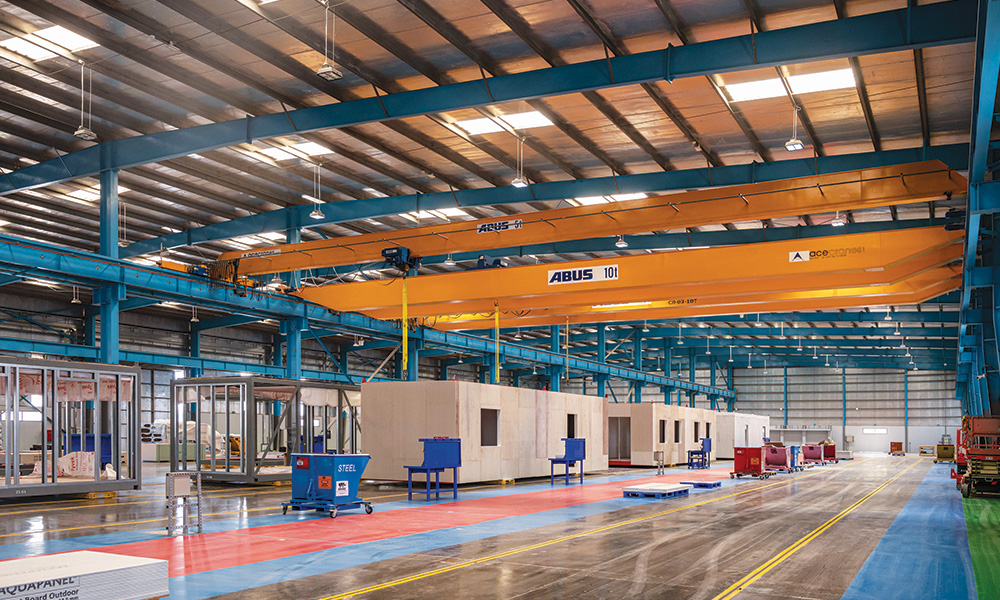
An interior shot of the LINQ Modular facility in Dubai

As a demonstration of the capabilities of the PIPV solution, ALEC Energy utilised 24m2 solar cells connected to a 22kW electric vehicle charger. At the event, the company also commenced its 461kW-peak solar plant at the modular construction factory for the generation of enough energy needed for the facility’s main office building.

Zampini concluded, “Our partnership with ALEC Energy, and the landing of our first shipment in the UAE sets the tone for COP28 and the country’s commitment to doing, not just talking, about its Net Zero goals.”

In late December 2022, ALEC’s CEO Kez Taylor discussed the US $100mn TARGET Engineering acquisition with Big Project Middle East.

The post ALEC Energy partners with Solar Earth to bring pavement integrated photovoltaic solution to the GCC appeared first on Middle East Construction News.


Source: ME Construction News

Mining-Shot_1000x600-1.jpg

March 9, 2023 foasummit0

Saudi Arabian Mining Company (Ma’aden), the largest multi-commodity mining and metals company in the Middle East – and based on market capitalisation, one of the top five mining companies globally – has been granted a captive license by Dubai International Financial Centre (DIFC).

Captive insurance is a risk financing mechanism in which a company is able to insure itself against potential losses. In a captive insurance arrangement, the insured brings its risk in-house by creating a licensed company that provides insurance to its parent organisation.

With 17 mines and sites and 6,000 employees, Ma’aden is said to be among the world’s fastest-growing mining companies, and noted that it is committed to responsible and sustainable operations. Ma’aden is developing the mining industry in line with Saudi Arabia’s Vision 2030, a statement from the firm added.

“We look forward to establishing our presence in DIFC with the new captive licence. The Centre’s strategic location, modern business environment, and world-class services will support Ma’aden in achieving our growth strategy,” said Yaser A Barri, Chairman of Ma’aden Captive, Ma’aden Re Limited.

In late November 2022, Caterpillar demonstrated its first battery electric large mining truck and, in early December 2022, Magna Tyres introduced three new mining tyre sizes.

Establishing a captive in DIFC gives Ma’aden a strategic location to convene board meetings, access DIFC’s reinsurance market, and be close to its headquarters in Saudi Arabia. In addition, DIFC is said to provide an optimal environment for captives, allowing firms to take full control of their risks while gaining greater financial flexibility and protection.

DIFC Authority CEO, Arif Amiri added, “As the region’s insurance hub, including captives, DIFC looks forward to supporting Ma’aden in achieving its growth goals and helping them better control risks and reduce costs.”

He added that DIFC’s captive license will provide Ma’aden with financial, strategic, and operational advantages. By forming its own insurance company to protect against unique business risks, Ma’aden can manage difficult-to-insure risk exposures, cover gaps in its risk management programme, and capture profitable premiums that would otherwise be paid to commercial insurers, the statement concluded.

In mid January 2023, PIF and Ma’aden signed a JV to establish a new entity to invest in global mining assets.

The post Saudi mining titan awarded DIFC captive license appeared first on Middle East Construction News.


Source: ME Construction News

WIC-Profile-ACCIONA_1000x600-1.jpg

March 9, 2023 foasummit0

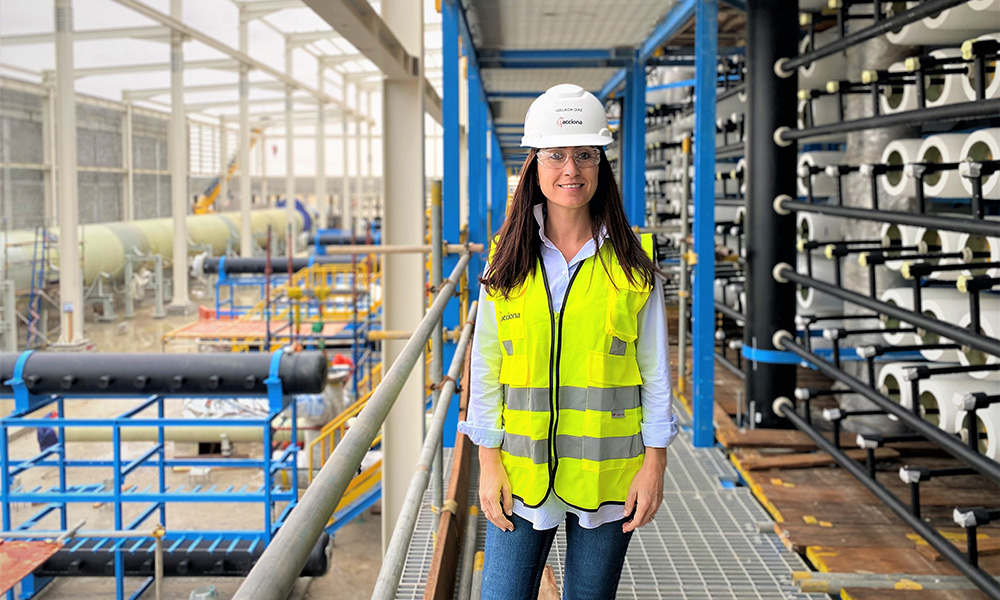
Ahead of International Women’s Day 2023, Big Project Middle East caught up with Adelaida Fernandez, ACCIONA Project Director at the Jubail 3B RO desalination plant to discuss what inspired her to join the built environment, key career milestones, challenges, her thoughts on how the glass ceiling that exists for women in many companies can be shattered, and the progress of construction at Jubail 3B.

What drove you to get into construction and your first role in the industry? What were some of the influences that set you on your path?

As an engineer, I was always fascinated about the idea of designing and creating things that could have a positive impact on society and better the peoples’ lives. During my career I have been inspired by many mentors, managers and colleagues that had the same vision and goals.

Share a brief about your career, mentioning key achievements.

I have a Master’s Degree in Civil Engineering from Cantabria University in Spain. During the first ten years of my career, I was involved in designing and executing infrastructure projects in Spain, such as highways, high-speed train railways, and water infrastructure, including potable and wastewater treatment plants.

In 2013, I started my professional career overseas, working as a Construction Manager and then as a Project Manager and Project Director in three natural gas Power Plants in Manchester: UK (Carrington Power Plant), and Dubai (Jebel Ali K3 and Aweer Phase IV Power Plants) for Dubai Electricity and Water Authority (DEWA). I recently moved into the water business in Saudi Arabia as a Project Director for Jubail 3B RO Desalination Plant.

Besides fairness and being the right thing to do, diversity in the construction industry is important because of the value women can bring to employers, clients and customers. How have you made your mark in the industry working on projects and what is your proudest moment?

Women have a different way of doing things, managing teams, and making decisions that from my perspective, improves the traditional way of the industry. In addition to being able to achieve targets and successfully deliver these projects that are always essential for communities (as they secure a potable water supply), what makes me feel even prouder is supporting and helping people to develop, so they accomplish their goals.

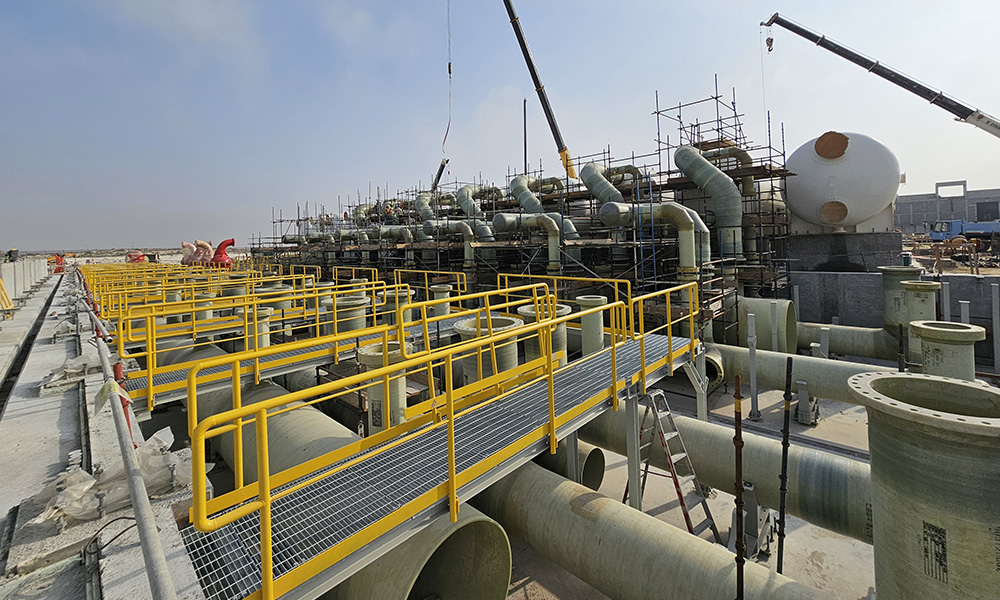
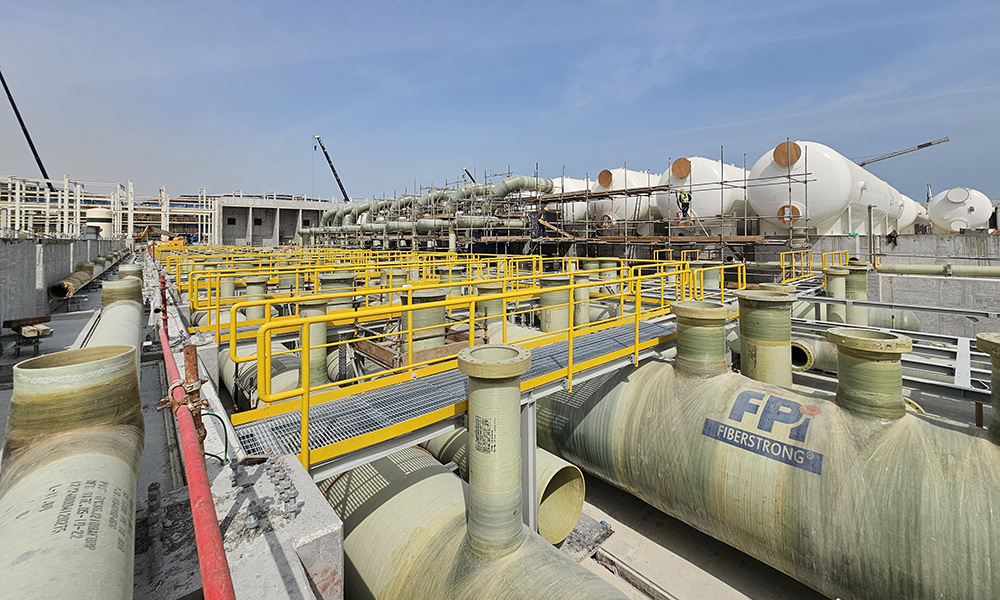
Jubail 3B is an reverse osmosis (RO) desalination plant located in the Eastern Province of Saudi Arabia

What are some of the barriers to women entering the construction industry? What was your personal experience?

The first barrier that women in this industry face is the scarcity of women – even nowadays, in most projects I’ve been involved in, there’s not a single woman in sight. Due to this, many people see it as very unusual to deal with a woman in this business, moreover in a managerial position. My personal experience has not always been easy but it has been positive – I must say that I have feel respected and treated equal to my male colleagues.

Due to the lack of women in the industry, many women don’t think that the construction industry might be a professional opportunity for them, and this is where we must act to change this misconception.

The GCC construction sector is still male dominated, however diversity is beginning to increase. If you agree with this, comment on what is driving this and how you see the GCC markets changing in the coming years? If you do not agree with the statement, please share your thoughts/views of the market.

Undoubtedly, the progressive engagement of women into the construction sector is a fact, also in the GCC and this process will accelerate in the coming years. This has been driven by the generalised access of women to the labor market in all sectors including construction but it still requires support and dedicated actions by government authorities and construction firms.

Everyone has a part to play in diversity and equal pay. What would you like to see government authorities and construction firms do to increase diversity and make pay a level playing field?

Increasing diversity and ensuring equal pay is crucial for creating a more inclusive and equitable society. Governments and construction firms in the GCC can take various steps to promote diversity and equal pay such as: setting clear diversity and inclusion targets including targets for hiring and promoting employees from underrepresented groups; conducting regular pay equity audits; providing training and education programs to promote diversity and inclusion in the workplace and by creating equal opportunities for career advancement.

ACCIONA for example, through its Diversity Committees in different business units and countries creates policies and programs that are promoted to create a respectful, diverse, inclusive and efficient work environment. These diversity committees, made up of all groups, generate proposals and plans in the area of diversity and inclusion.

The plant will supply 570,000m3 of potable water to the Riyadh and Qassim regions once commercially operational in 2024

Besides authorities and construction firms, who else can play a part in increasing diversity and balancing pay scales?

There are many different individuals and groups who can play a role in increasing diversity and balancing pay scales beyond authorities and construction firms. Some examples include:

  • Educational institutions: Schools and universities can play a role in increasing diversity in the construction industry by offering courses and training programs that promote inclusivity and provide opportunities for underrepresented groups
  • Customers and clients: Companies that prioritise diversity and pay equity may be more attractive to customers and clients who value these principles
  • Employees: Individuals within companies can advocate for diversity and equity by speaking up about discriminatory practices, advocating for inclusive policies and practices, and working to create a culture of inclusivity within their organisations

As a woman in the industry, what has your experience been working in the GCC construction sector? If you have worked in markets outside the GCC, how does your experience here compare with what you’ve experienced in other markets?

The low presence of women in the construction sector is not much different between the GCC and other areas, as Europe. Unfortunately, it is a quite a standard situation worldwide.  Of course, the GCC has its own cultural framework and customs but, working as a woman in this industry has quite similar challenges and constraints in all the different regions, so we must conclude that it’s a universal matter to address.

In your opinion, what is the biggest challenge women in the construction sector face in GCC countries? How can these challenges be addressed?

The construction industry in GCC countries faces significant challenges in terms of gender diversity and inclusion. One of the biggest challenges that we face is cultural barriers and societal stereotypes that view construction as a male-dominated industry and discourage women from pursuing careers in this field. Other challenges include limited access to education and training programs, lack of mentorship and career guidance, limited opportunities for advancement, and unequal pay. To address these challenges, several strategies can be implemented, for example:

  • Raising awareness: Promoting and increasing awareness about the benefits of gender diversity and inclusion in the construction industry can help challenge stereotypes and cultural barriers
  • Education and training: Providing access to education and training programs that target women specifically, including technical skills, management, and leadership training – these can help build a more diverse and skilled workforce in the construction industry
  • Addressing unequal pay: Companies can address unequal pay by conducting pay equity analyses, implementing transparent pay practices, and providing equal opportunities for career advancement
  • Encouraging female leadership by creating a culture of inclusivity, and supporting diversity and inclusion initiatives, and providing opportunities for women to take on leadership roles – they can all help attract and retain female talent in the industry

By implementing these strategies and working collaboratively with stakeholders, the construction industry in GCC countries can address the challenges faced by women in this sector and create a more diverse and inclusive workforce.

The plant is currently at the peak of its construction phase with all the civil, mechanical an electrical construction activities running in parallel, ahead of the start of commissioning activities

In doing your job, what sort of discrimination (if any) have you faced and how did you/your employer address it?

Of course each situation is unique and probably different women have had very different experiences within the construction sector. But in my particular case, without ignoring the difficulties and small obstacles, I have fortunately not faced any major problem that had required my employer´s intervention on the matter.

How can the glass ceiling that exists for women in many construction firms be overcome? What is your advice?

The glass ceiling that exists for women in many construction firms can be overcome through a combination of strategies aimed at creating a more inclusive and equitable workplace culture. For example:

  • Leadership commitment to diversity and inclusion is essential to overcoming the glass ceiling. Leaders should take proactive measures to create a culture of inclusivity and equity, set clear diversity and inclusion goals, and hold themselves and their teams accountable for progress
  • Establishing mentorship and sponsorship programs can help women in the construction industry overcome the glass ceiling by providing them with guidance, support, and opportunities for career advancement
  • Companies should address implicit and explicit bias in the workplace by implementing training programs and policies that promote diversity, equity, and inclusion such as the Diversity Committees that ACCIONA relies on
  • Providing flexible work arrangements can help women balance work and family responsibilities and increase their participation in the construction industry
  • Companies should actively recruit and retain women in the construction industry by implementing targeted recruitment strategies, providing development opportunities, and offering competitive benefits and compensation packages

By implementing these strategies, construction firms can create a more inclusive and equitable workplace culture, which can help women overcome the glass ceiling and advance their careers. This not only benefits individual women but can also lead to better business outcomes and increased innovation in the industry.

Read more:

The post Women in Construction profile – ACCIONA’s Adelaida Fernandez appeared first on Middle East Construction News.


Source: ME Construction News